- Vet to the Future
- Posts
- 🔍 Are We Ready for AI Vets and CRISPR Canines?
🔍 Are We Ready for AI Vets and CRISPR Canines?
AVMA launches its AI supplement, Texas A&M rolls out an AI assistant, and Colossal Biosciences eyes the dire wolf’s return.

Ross Massimiano, DVM
April 08, 2025
📅 Issue #2 | Tuesday, April 8, 2025 | ⏳ Read Time: 8 Minutes | 1,581 Words
👋 Welcome to Issue #2 of Vet to the Future!
This week, we’re venturing further into the cutting edge of vet med, where artificial intelligence isn’t just a buzzword—it’s landing in clinics, classrooms, and even the AVMA journal. We’re also zooming in on tech you can hold between your fingers (hello, injectable pacemaker), skin you can print (ethically game-changing), and an Ice Age predator that may soon walk among us again (yes, kinda really).
Whether you're team "AI will save us" or "Jurassic Park was a warning," there’s something in this lineup to stretch your thinking. Buckle up—let’s scan the pulse of what's next in animals, ethics, and innovation.
⚡ Quick Hits: Your Fast Facts Roundup
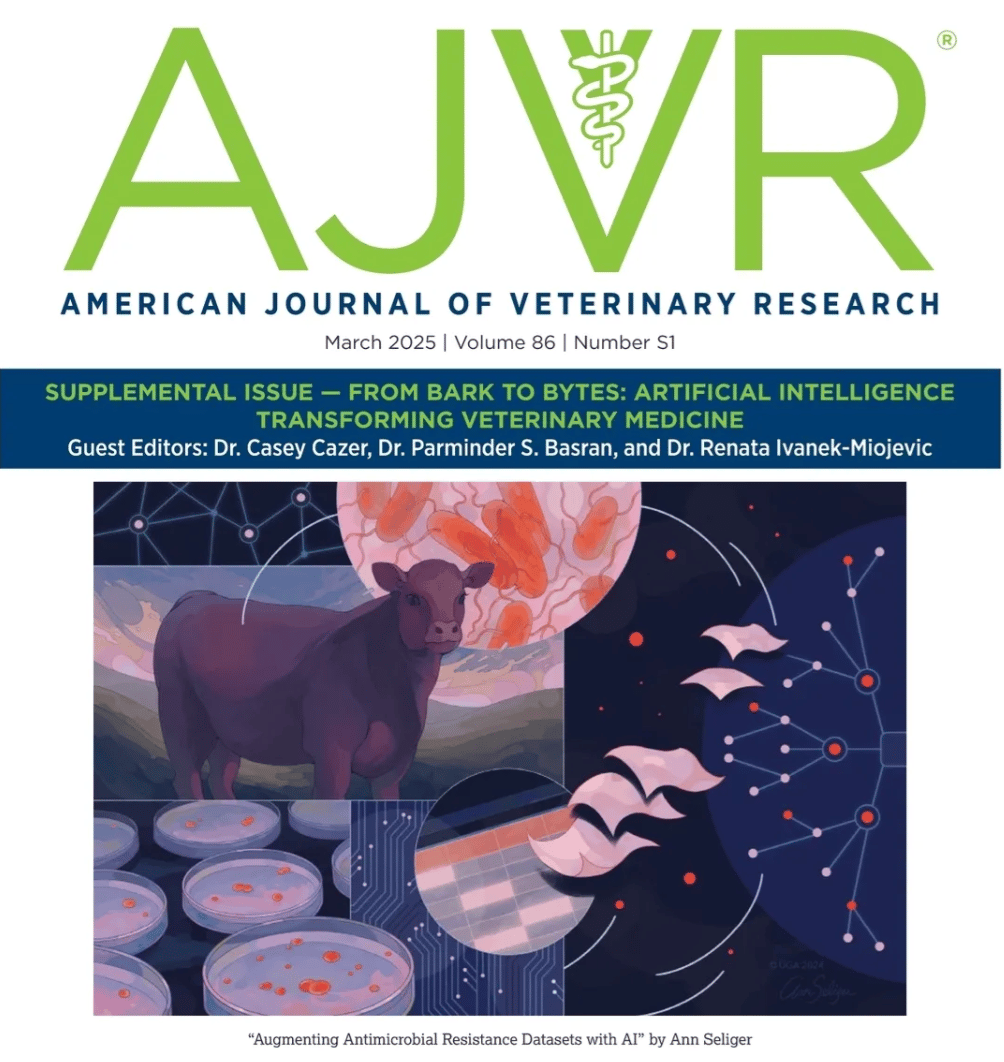
☤ AVMA AI Journal Drops: “From Bark to Bytes” Goes Deep
The AVMA’s journal launches its first AI-dedicated issue, covering radiology, diagnostics, and ethical deployment of machine learning in vet med. 🔗 Read More
📈 Survey Says: AI Tools Gaining Ground, But Barriers Remain
A recent national survey reveals rising AI interest among vets—but also resistance tied to privacy, training, and trust. The future’s calling, but not everyone’s picking up. 🔗 Read More
🖨️ No More Bunnies? 3D-Printed Skin Replaces Cosmetic Animal Testing
Scientists are perfecting lab-grown skin using 3D printing, promising an end to animal testing in cosmetics. A win for ethics and innovation. 🔗 Read More
⚙️ World’s Smallest Pacemaker Injected with a Syringe
This rice-sized device could transform cardiac care in animals and humans alike—especially in species where surgery is risky or anatomy is challenging. 🔗 Read More
🐺Dire Wolves Could Roam Again
Colossal Biosciences is using ancient DNA and CRISPR to bring back the extinct dire wolf—ushering in new debates on de-extinction and ecosystem restoration. 🔗 Read More
🤖 Aggie AI: Texas A&M Debuts Virtual Vet Assistant
Texas A&M is rolling out an AI-powered assistant, by VetRec, to help vet students and professionals triage, diagnose, and learn on the fly. Education meets automation. 🔗 Read More
🧠 More Future Weirdness: Microchips, Clone Pets, and AI Psychologists?
The Medical Futurist explores 10 wild (but plausible) predictions for healthcare’s future. Some sound straight out of Black Mirror—others may already be here. 🔗 Read More
🎶 Monkey Yodels Put Humans to Shame
New research finds Latin American monkeys use “ultra-yodels”—rapid pitch breaks across three octaves—thanks to specialized vocal membranes. Evolution, amplified. 🔗 Read More
🤿 Deep Dives: Big Stories, Bigger Impact
☤ AVMA's AI Journal Supplement: What It Means for You
📝 By AVMA Editorial Team | March 2025 | Source: AVMA 🔗 Read More
🔍 The Scoop:
In a major milestone, the AVMA’s flagship journal just launched its first-ever AI-focused supplement. It highlights how machine learning is already improving radiology, dermatology, and workflow automation. More importantly, it tackles the ethical frameworks needed to deploy AI responsibly in clinical settings.
The issue calls for cross-industry collaboration and continuous validation to ensure AI enhances care rather than complicates it. Expect future volumes to explore regulation, liability, and even AI-designed therapeutics.
“From Bark to Bytes: Artificial Intelligence Transforming Veterinary Medicine” is now available as both a special digital flip book and on the AVMA journals website. Just choose your preferred format and start exploring the present and future of AI in veterinary medicine.
🧠 Why It Matters:
✅ Signals Mainstream Acceptance – The AVMA spotlight elevates AI from niche to necessity
✅ Ethical Guardrails – Reinforces the importance of transparency, bias checks, and human oversight
✅ Clinical Frameworks – Offers case studies and best practices for implementation
💬 Join the Conversation:
How can we ensure equitable access to AI tools across different practice types?
Should vet techs receive AI training as part of their certification?
What liability risks might practices face if AI makes a wrong call?
📈 AI Tools in Vet Med: Interest High, Adoption Low
📝 By Today’s Veterinary Business | February 24, 2025 | Source: Today’s Veterinary Business 🔗 Read More
🔍 The Scoop:
A new national survey of veterinary professionals reveals a growing buzz around AI—but a cautious approach to bringing it into everyday practice. Conducted across clinics of all sizes, the study found that while 72% of veterinarians are interested in AI tools for diagnostics, communication, and administrative support, only 28% currently use them.
What’s holding them back? The report cites three major barriers:
Data privacy concerns, especially when third-party software handles sensitive medical records
Lack of training and comfort with new platforms, particularly among smaller, independently run clinics
Fear of losing the personal touch, with many vets worried AI could reduce meaningful client relationships
Interestingly, practices that have adopted AI—such as automated triage chatbots or imaging tools—report improved workflow efficiency, better follow-ups, and time saved on low-value tasks like form-filling or appointment reminders. But for diagnostic tools and clinical decision-making, the leap from trust to full integration remains wide.
🧠 Why It Matters:
✅ Technology ≠ Trust – Tools are available, but confidence and education still lag behind
✅ Client Connection Is Key – Many vets fear tech could depersonalize the care experience
✅ Workflow Boost Potential – Admin and communication tools may be the “gateway AI” for broader clinical adoption
💬 Join the Conversation:
What’s stopping you from using more AI in your practice?
Should vet schools offer dedicated AI training in their curriculum?
Where should we draw the line between human care and machine efficiency?
🖨️ 3D-Printed Skin: The End of Animal Testing in Sight
📝 By Michael Irving | March 28, 2025 | Source: New Atlas 🔗 Read More
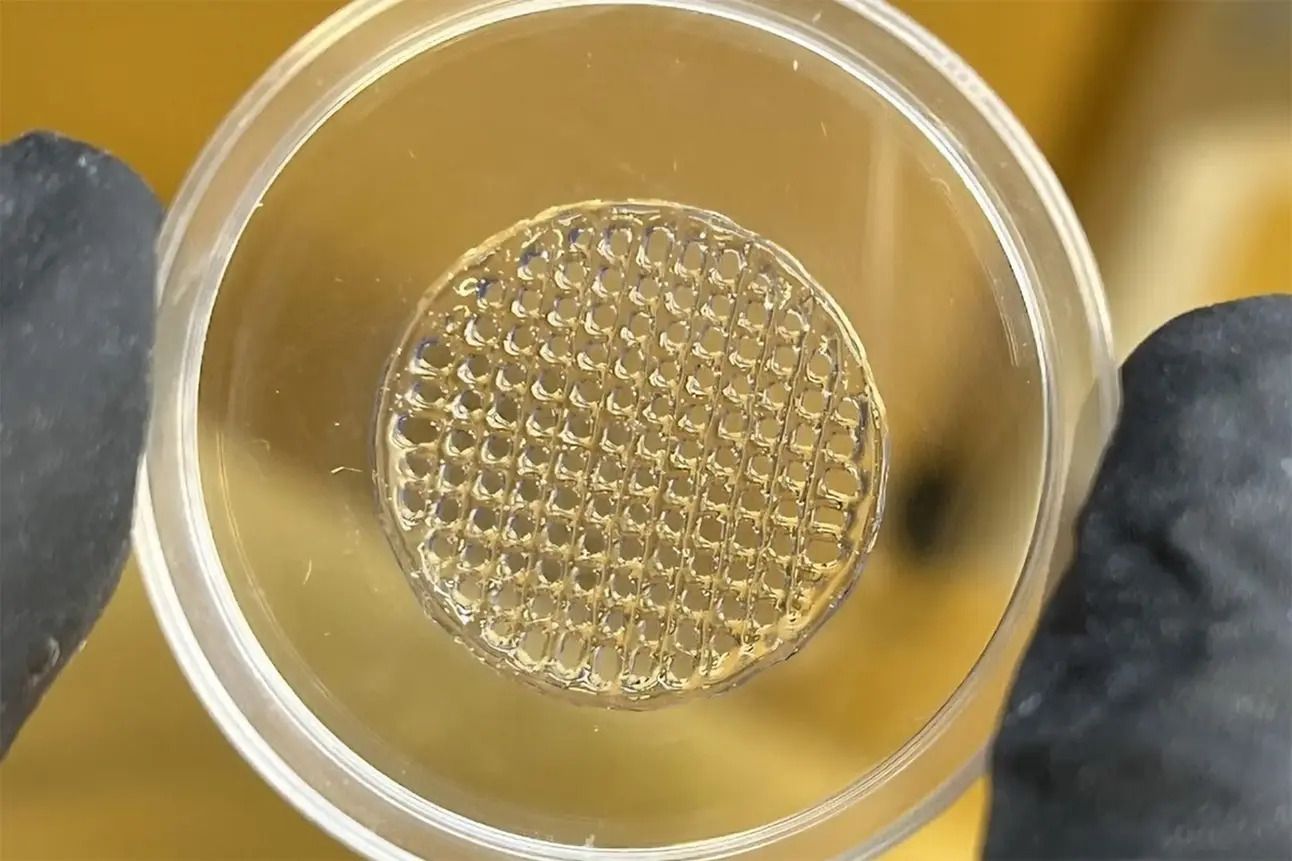
A small 3D-printed structure made of optimized hydrogel, which could soon be used as a skin imitation to test cosmetics. Manisha Sonthalia / Vellore Institute of Technology
🔍 The Scoop:
In a groundbreaking shift for animal ethics and biomedical innovation, scientists have developed fully functional 3D-printed human skin tissue. Using a bio-ink made of living skin cells, this technique could one day replace animal testing in cosmetics and dermatological research entirely.
Not only is the skin biologically accurate, but it’s also scalable and customizable—opening doors to more personalized and humane research methodologies.
🧠 Why It Matters:
✅ Ethical Research – Reduces the need for animal testing in commercial and clinical sectors
✅ Biomedical Innovation – Enables more accurate, human-relevant testing platforms
✅ Custom Applications – Could be tailored for patient-specific skin diseases or trauma research
💬 Join the Conversation:
How close are we to ending animal testing altogether?
Could this tech expand into veterinary dermatology too?
Would you support legislation requiring alternatives like this in research?
⚙️ World’s Smallest Pacemaker: Big Potential for Small Patients
📝 By Paul McClure | March 26, 2025 | Source: New Atlas 🔗 Read More
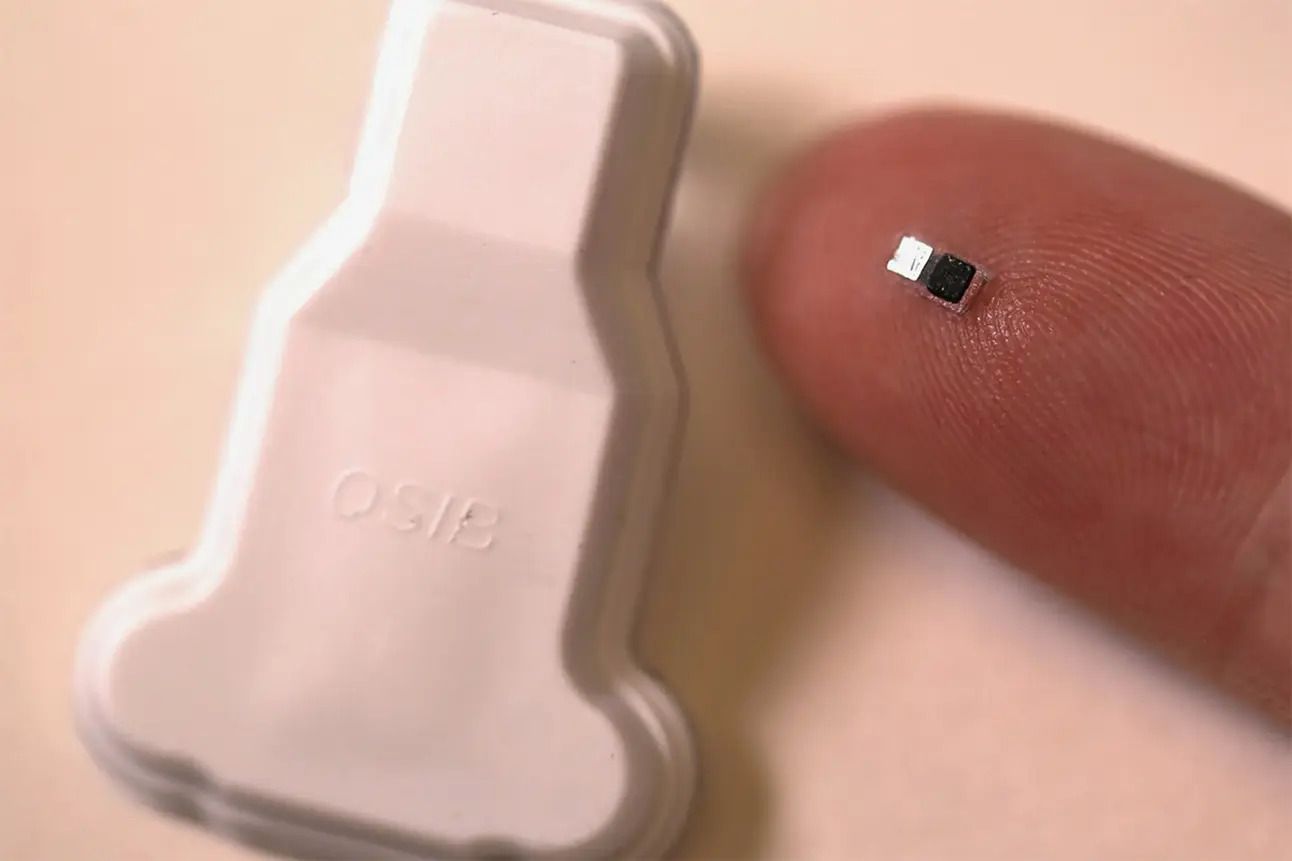
World’s smallest pacemaker fits in a syringe and is activated by light
🔍 The Scoop:
A team of engineers and bioengineers from Zhejiang University in China has developed the smallest wireless pacemaker ever created, measuring just 0.8 cm³—small enough to be injected via syringe. The battery-free device is powered externally by near-infrared light and wirelessly communicates with a monitoring system to control pacing in real time.
Designed initially for use in small animals during research and preclinical studies, this light-driven pacemaker could have powerful implications for veterinary cardiology. Species with tiny hearts or unique thoracic anatomy—such as toy breed dogs, cats, ferrets, or even wildlife patients—are often poor candidates for conventional pacemakers that require bulky implants and surgery. This new tech could change that.
In lab tests on rodents, the pacemaker successfully restored heart rhythm without the need for invasive procedures, internal batteries, or leads—offering a proof of concept for broader future use. While still early-stage, the device paves the way for minimally invasive, energy-efficient, species-adaptable cardiac care.
🧠 Why It Matters:
✅ Minimally Invasive – Injectability eliminates surgical trauma and recovery time
✅ Perfect for Small Species – Opens the door for pacemaker use in animals previously deemed too small for implants
✅ Veterinary Innovation Crossover – Research models could translate into clinical veterinary applications
💬 Join the Conversation:
Could injectable pacemakers become a standard for small-breed cardiac patients?
How might this tech reshape long-term cardiac care in wildlife or exotic animals?
What challenges do you foresee adapting this light-powered tech for clinical use?
🙌🏼 Impressive Animals 🐾
🐺 Dire Wolves Sort of Howl Again
📝 By Jeffrey Kluger | April 4, 2025 | Source: TIME 🔗 Read More
SOUND ON. You’re hearing the first howl of a dire wolf in over 10,000 years. Meet Romulus and Remus—the world’s first de-extinct animals, born on October 1, 2024.
The dire wolf has been extinct for over 10,000 years. These two wolves were brought back from extinction using
— Colossal Biosciences® (@colossal)
2:12 PM • Apr 7, 2025
🔍 The Scoop:
Colossal Biosciences—the same company behind woolly mammoth and dodo revival efforts—is now turning its gene-editing sights on the dire wolf (Canis dirus), a real Ice Age predator that roamed the Americas until about 10,000 years ago. Unlike their Game of Thrones counterparts, dire wolves were not just oversized gray wolves—they were a genetically distinct species, more closely related to jackals than to modern canines.
Using ancient DNA extracted from fossils and advanced CRISPR tools, Colossal plans to engineer a modern hybrid animal that would reflect the dire wolf’s traits. Their roadmap includes integrating recovered dire wolf genes into a host genome (likely a grey wolf or dog), with the long-term goal of reintroducing this apex predator into select ecosystems.
🧠 Why It Matters:
✅ De-Extinction Ethics & Ecology – Raises crucial questions about genetic resurrection and its role in conservation
✅ Veterinary Preparedness – Sparks new territory for exotic species medicine, reproductive tech, and behavioral management
✅ Ancient DNA Science – Showcases the cutting edge of evolutionary biology, genomics, and synthetic life engineering
💬 Join the Conversation:
Should veterinary science prepare for “de-extinct” species?
Can ecological restoration include genetically reconstructed predators?
Do we all need to rewatch Jurassic Park?.. and think about just because we can do this, should we?
📣 Support Vet to the Future!
Love this newsletter? Buy me a coffee and support my work! ☕ ko-fi.com/rossimiano
📢 Want to sponsor Vet to the Future? Let’s talk!
You're still here? Awesome. Since you're clearly a newsletter connoisseur, here's another one I think you'll appreciate.
|

🎬 Closing Thoughts
From CRISPR-revived species to injectable devices that fit in a syringe, the boundaries of veterinary medicine are being redrawn in real time. These aren't just cool science headlines—they're signals that our field is moving faster, thinking broader, and asking bigger questions than ever before. What does it mean to care for animals in an age of synthetic biology, algorithmic triage, and de-extinction?
As we stand at the crossroads of biology and technology, it’s more important than ever to balance curiosity with caution, and innovation with integrity. Whether you're an early adopter or a healthy skeptic, one thing’s certain: this moment needs our engagement.
What’s your take on where we’re headed? Which story stuck with you most? I’d love to hear your thoughts—let’s keep the conversation going.
Cheers,
Ross
📩 Want to submit a story? Let’s connect!
Reply