- Vet to the Future
- Posts
- 🧬 Biotech Gets Weird (and Useful)
🧬 Biotech Gets Weird (and Useful)
Dog-grown livers and fish-friendly robots show how strange biology is becoming the blueprint for smarter, safer, and more sustainable innovation.

Ross Massimiano, DVM
May 13, 2025
Issue #7 | Tuesday, May 13, 2025 | ⏳ Read Time: ~9 Minutes | 2,320 Words
👋 Welcome to Vet to the Future
This week’s issue explores how the scientific world is reengineering the way we interact with, study, and care for animals. From lab-grown dog organoids to biodegradable aquatic robots, the systems we’re building are becoming more adaptive, more ethical—and sometimes, more like the creatures they serve.
Whether it’s gamified zoology reshaping education, AI accelerating regulatory science, or insurance data flagging outbreaks before they hit humans, these advances show how animal-focused innovation is expanding far beyond the clinic. The tools are getting smarter—and the questions they help us ask are getting better.
⚡ Quick Hits: Your Fast Facts Roundup
🧬 Canine Organoids
New 3D dog-cell models are helping scientists model disease, test therapies, and bridge human-animal medicine. 🔗 Read More
🤖 Edible Aquatic Robots
Soft-bodied, biodegradable robots can monitor water quality and then safely dissolve—or be eaten. 🔗 Read More
🎮 Gamified Zoology Education
A new platform turns animal classification into a game to boost retention and engagement in vet students. 🔗 Read More
🧍♂️ Humanoid Robots Fuel AI Training
Robots that move, feel, and interact physically are teaching AI how to navigate real-world environments—including clinics. 🔗 Read More
🧬 Pet Insurance Data to Predict Human Disease
Analyzing vet insurance claims could help detect early outbreaks of zoonotic diseases across regions. 🔗 Read More
🧪 FDA Expands AI for Scientific Reviews
A successful AI pilot at the FDA will now streamline reviews for both human and veterinary products. 🔗 Read More
🐌 Snail Lays Egg From Its Neck
Rare footage of this anatomical quirk went viral and has sparked new curiosity in mollusk reproduction. 🔗 Read More
🧠 Insectivores and Primates Share Brain Pattern
A new study links social brain traits across evolutionarily distant mammals. 🔗 Read More
🧊 Cat Warming Tech Cuts Anesthesia Risk
Innovative warming pads are helping keep cats safe and stable during surgeries. 🔗 Read More
🩺 Tinnitus Test Reads Eye Movements
A novel diagnostic approach analyzes eye movement patterns to assess tinnitus severity. 🔗 Read More
🧫 At-Home Pap Smear Alternative Approved
The FDA just cleared a self-use cervical screening tool that could boost access and early detection. 🔗 Read More
🧬 AI-Enhanced Heart Scans Save Millions
Machine learning helps catch cardiac issues early, saving lives and healthcare costs. 🔗 Read More
🧬 Gene-Edited Pigs Now PRRS-Resistant
CRISPR-modified pigs show resistance to devastating swine viruses—now a regulatory milestone. 🔗 Read More
🤿 Deep Dives: Big Stories, Bigger Impact
Canine Organoids: Bridging Species in Medicine
📝 Dr. A. Jansen | Frontiers in Vet Science | May 12, 2025 🔗 Read More
The Scoop:
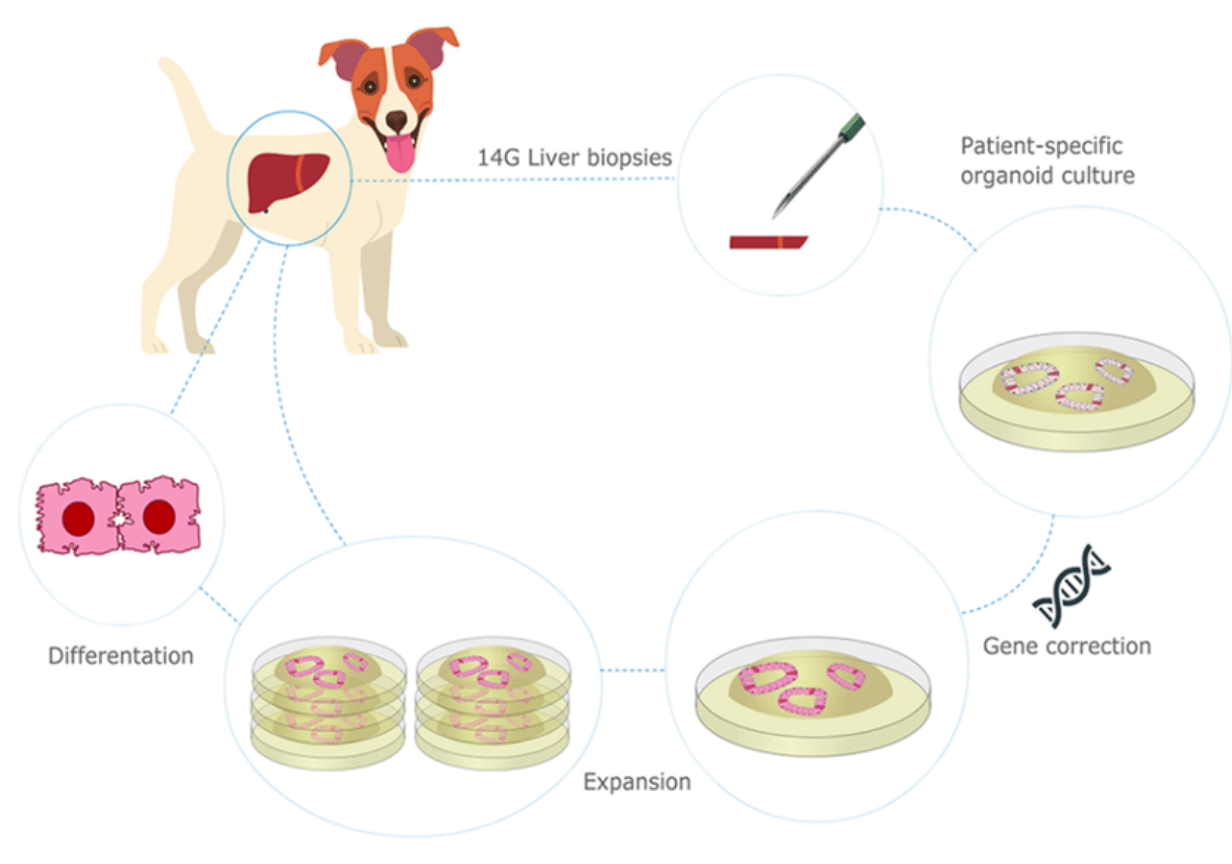
Veterinary researchers have developed a suite of canine organoids—tiny, three-dimensional cultures grown from dog tissue that mimic the structure and function of real organs. These include intestinal, hepatic, and renal models that can be maintained and manipulated in vitro. The result is a powerful alternative to live-animal testing and a platform for studying diseases in a species-specific context. For years, organoid work has focused largely on humans and mice. The introduction of canine-specific systems allows researchers to better address dog-specific diseases and responses while building meaningful cross-species comparisons.
This innovation unlocks new potential in translational research, allowing drug developers and veterinary scientists to test treatments in a way that mimics clinical reality far more than flat petri dish cultures ever could. It also opens doors for studying rare conditions, personalized medicine for pets, and more ethical research design. Canine organoids are already being explored for use in infectious disease studies, cancer models, and pharmacology pipelines—paving the way for smarter therapies and cross-applications in human medicine.
🧠 Why it matters:
✅ Translational leap – Builds veterinary relevance into human drug development.
✅ Ethics & efficiency – Reduces reliance on live animal testing.
✅ Standardized tools – Promotes reproducibility and global data sharing.
Join the conversation:
How could organoids reshape how we diagnose and treat rare animal diseases?
Edible Aquatic Robots: Digestible Bots for Nature and Data
📝 D. Newton | New Atlas | May 11, 2025 🔗 Read More
The Scoop:
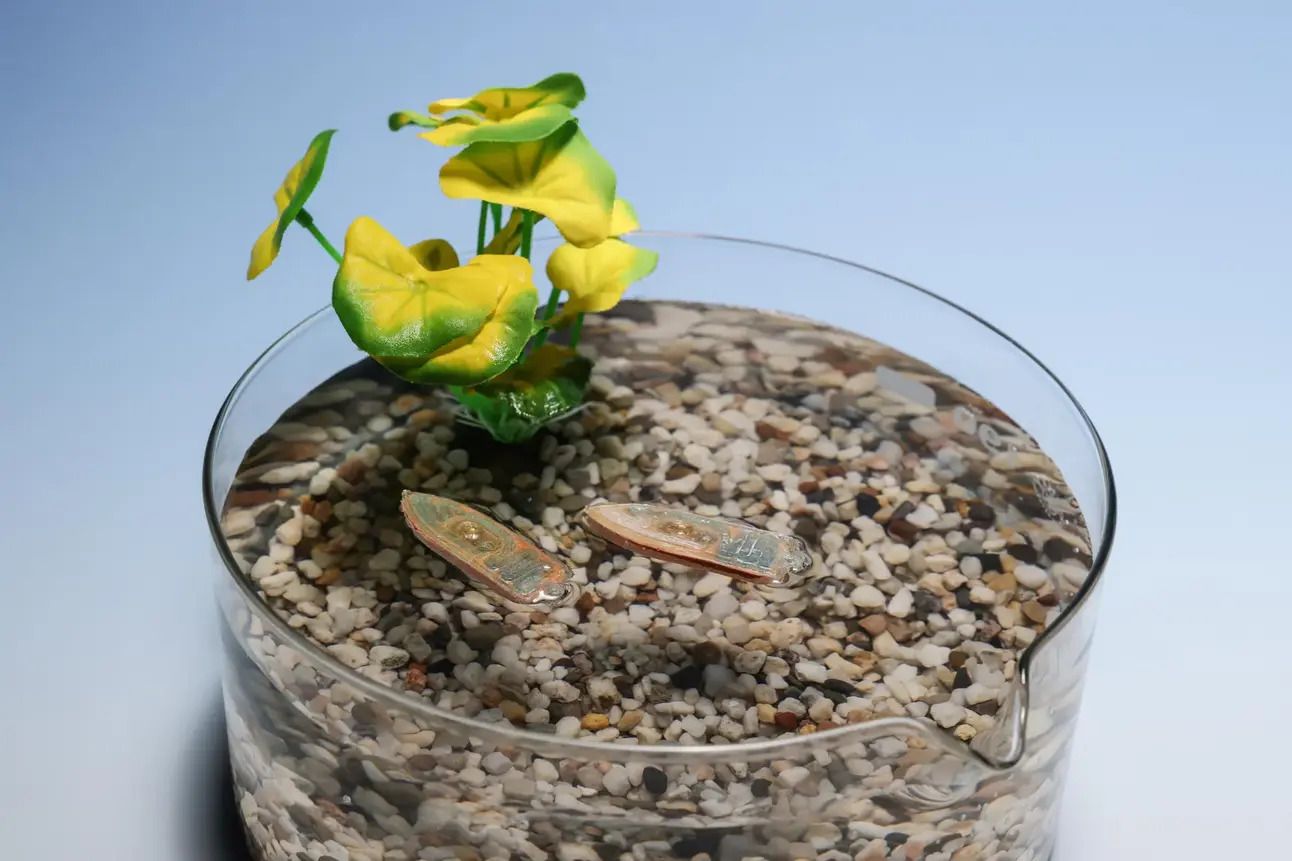
In a brilliant example of bioinspired design, researchers have created biodegradable aquatic robots that can be ingested by fish or dissolve harmlessly in water. These robots perform environmental sensing tasks—like measuring temperature, pollutants, or pH—before becoming fish food or vanishing completely. It’s a novel solution to the growing problem of tech pollution in marine and freshwater systems.
The robots are made of gelatin and similar edible materials, and can be deployed in sensitive or remote habitats. This not only reduces ecological risk but also opens the door to short-term field tests in regions where traditional monitoring devices would be impractical. As the climate changes and ecological surveillance becomes more urgent, tools like this could help veterinarians, ecologists, and researchers collect key data without disrupting ecosystems.
🧠 Why it matters:
✅ Eco-friendly design – Reduces the risk of long-term contamination.
✅ Bio-compatible bots – Safe for wildlife ingestion in test environments.
✅ Data with purpose – Expands what we can measure without harming the ecosystem.
Join the conversation:
Could future veterinary field kits include single-use bio-robots?
Who’s Who in Zoology: Gamified Learning for the Next Generation
📝 E. Velasquez | Frontiers in Vet Science | May 10, 2025 🔗 Read More
The Scoop:
Zoology education just got an upgrade. A new game-based learning platform is making taxonomy fun again by turning classification into a points-based challenge. Students can earn badges, track their progress through species groups, and receive instant AI-generated feedback. The tool has already improved exam scores and student retention in trial groups.
For veterinary students, it’s a chance to internalize the building blocks of biology in an interactive and engaging way. Instead of memorizing phylum names from a textbook, learners explore a virtual zoo of animals and solve challenges to level up. It’s a small example of how education technology is adapting to the digital-native generation—and it might be just the beginning for gamified veterinary curricula.
🧠 Why it matters:
✅ Vet student boost – Increases retention of complex classification schemes.
✅ Digital-native learning – Meets students where they are.
✅ Scalable tool – Can be customized for any academic level or species group.
Join the conversation:
Should every vet school course have a game-based companion?
The Rise of Humanoid Robots in Physical AI Environments
📝 S. Cohen | CB Insights | May 9, 2025 🔗 Read More
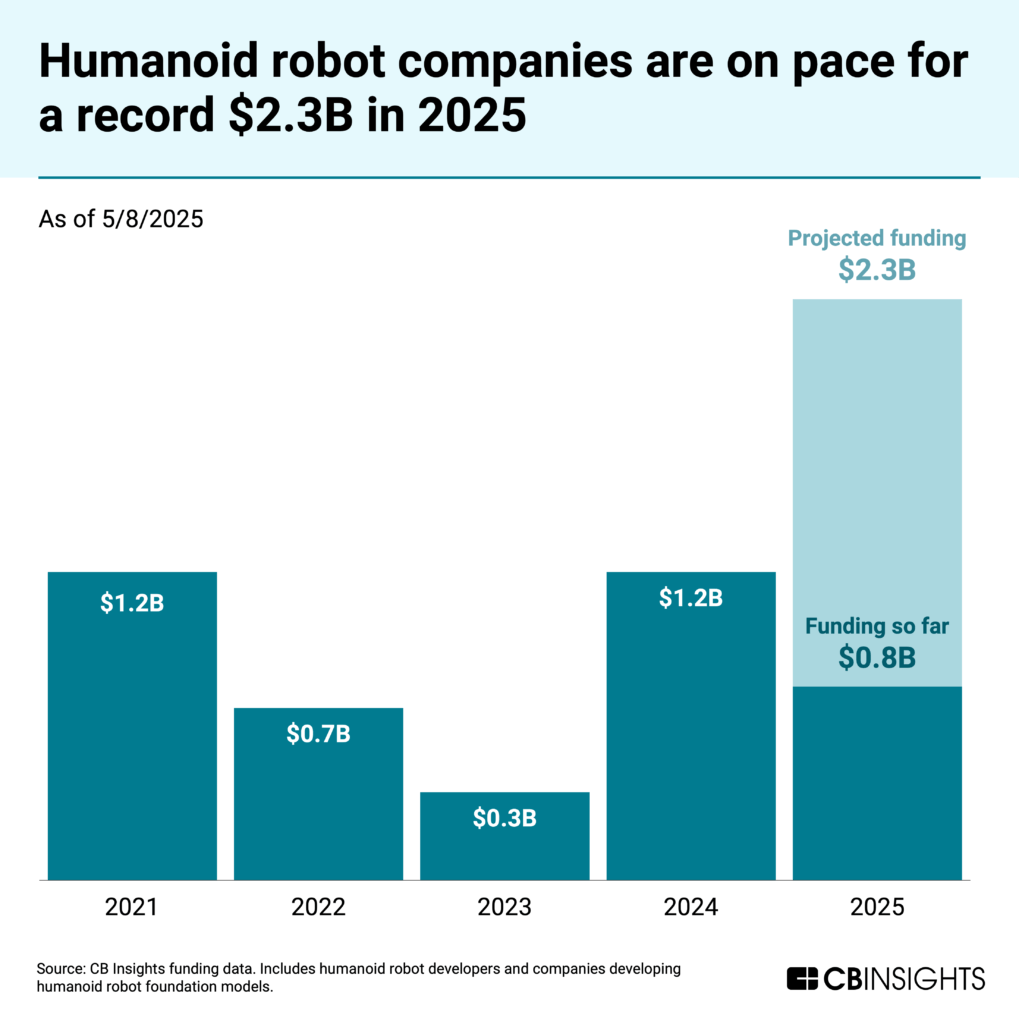
The Scoop:
AI systems are entering the real world, and humanoid robots are their gateway. These robots are designed to move, interact, and even problem-solve in the physical world—unlike traditional AI models confined to data sets or simulations. Developers say this embodiment is essential to making AI truly adaptive and useful in medical, educational, or veterinary environments.
As robotics become more dexterous and sensors more refined, we may soon see robotic assistants in clinics, helping move patients, fetch supplies, or aid in diagnostics. They won’t replace the human-animal bond—but they could free up vet teams to focus more on care and less on logistics. The hardware is already here; now the training begins.
🧠 Why it matters:
✅ Embodied AI – Robotics that “feel” space like animals do.
✅ Clinical potential – Could assist in handling, diagnostics, or logistics.
✅ Cross-industry learning – Bridges engineering and medical fields.
Join the conversation:
What’s the first job you’d offload to a humanoid in your hospital?
Tracking Disease Through Pet Insurance Claims
📝 Dr. M. Lin | Frontiers in Vet Science | May 8, 2025 🔗 Read More
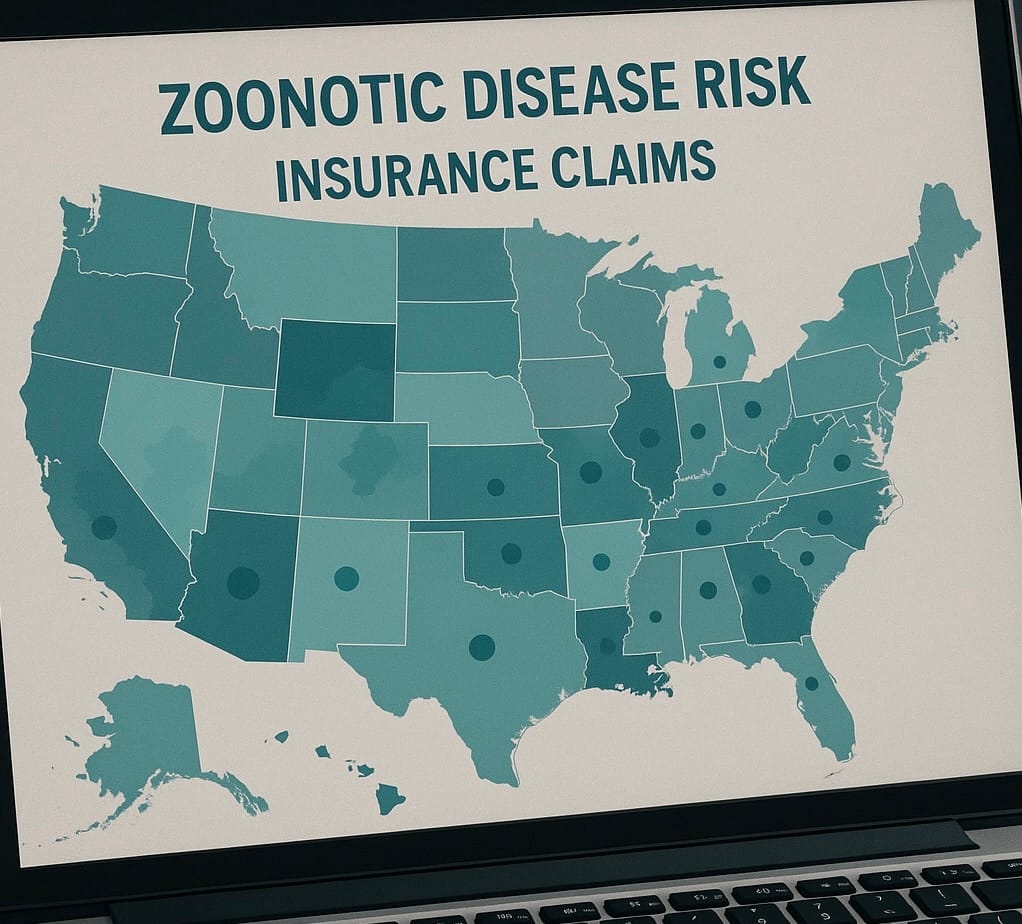
The Scoop:
Can a spike in veterinary insurance claims reveal a public health crisis? According to a new study, the answer is yes. Researchers analyzing regional pet insurance data found strong correlations between canine and feline symptoms and human disease outbreaks. This suggests that pets could serve as an early warning system—especially for zoonotic illnesses like Lyme disease, leptospirosis, and more.
This kind of syndromic surveillance is already used in human medicine. Now, by connecting veterinary data to public health systems, researchers hope to fill blind spots in disease detection. If scaled nationally, this approach could inform faster responses to environmental and pathogen-driven health risks affecting both species.
🧠 Why it matters:
✅ Early alerts – Pets show signs before humans do.
✅ Integrated data – Bridges veterinary and public health databases.
✅ Policy potential – Could guide CDC and local action.
Join the conversation:
How would you feel if your patient’s itchy skin flagged a Lyme outbreak?
AI for Drug Approval: FDA’s Next-Gen Workflow
📝 L. Ortiz | U.S. FDA | May 7, 2025 🔗 Read More
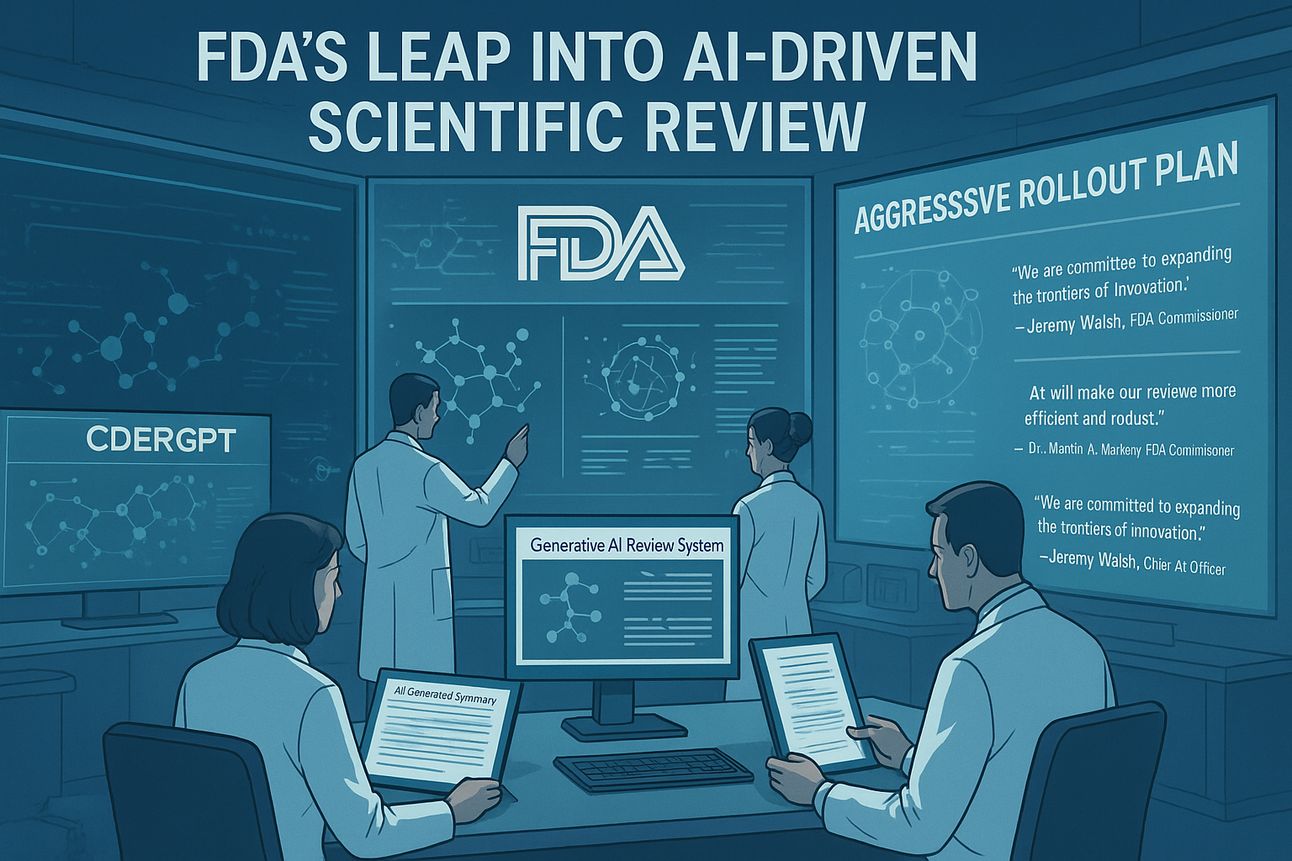
The Scoop:
The FDA has completed its first AI-assisted review pilot for drug approvals, and the results were encouraging. Machine learning models helped process large data submissions with improved speed and consistency. Now, the agency plans to expand this AI integration into broader areas of regulatory review, including veterinary medicine.
Faster reviews mean new drugs, diagnostics, and medical devices could hit the market sooner—especially for urgent or underserved clinical areas. For the veterinary world, where approval bottlenecks often delay innovation, this could dramatically speed up access to better tools and therapies across species.
🧠 Why it matters:
✅ Faster approvals – Speeds time-to-market for new therapies.
✅ AI credibility – First signs the government trusts machine analysis.
✅ Veterinary benefit – Applies to cross-species drugs and devices.
Join the conversation:
What AI workflows would you want to see inside your regulatory system?
🙌🏼 Impressive Animals 🐾
The Snail That Laid an Egg From Its Neck
📝 D. Newton | New Atlas | May 12, 2025 🔗 Read More
The Scoop:
I got to admit that this one is a little gross but it’s fascinating. A video of a snail laying an egg from its neck has taken the internet by surprise—and it’s not CGI. The event, captured by a curious observer, shows the egg emerging from the snail’s genital pore, which happens to be located near the base of its head. While unusual-looking, this behavior is entirely natural, though rarely caught on film.
Malacologists (mollusk scientists) have chimed in to confirm the anatomy, and educators are using the footage as a teachable moment. It’s a perfect example of how strange biology can spark curiosity, public engagement, and deeper understanding of species we often overlook.
🧠 Why it matters:
✅ Reproductive insight – Opens questions about evolution and fertilization in snails.
✅ Anatomical curiosity – Reminds us nature doesn’t follow our rules.
✅ Public interest – Viral videos = teachable moments.
Join the conversation:
What’s the weirdest animal behavior you’ve witnessed in practice?
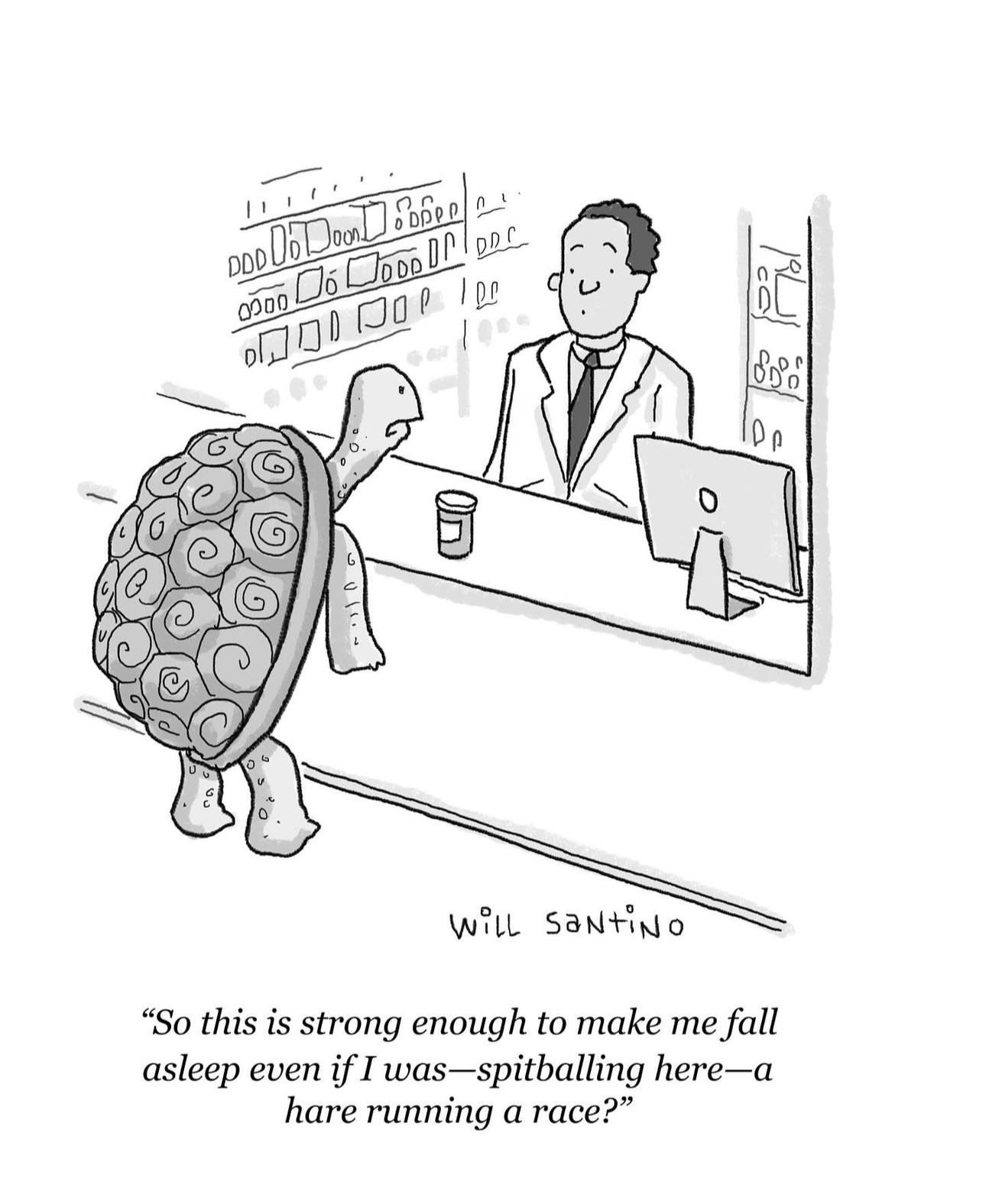
💊℞: Dose of Humor
📣 Support Vet to the Future!
Love this newsletter? Buy me a coffee and support my work! ☕ ko-fi.com/rossimiano
📢 Want to sponsor Vet to the Future? Let’s talk!
You're still here? Awesome. Since you're clearly a newsletter connoisseur, here's another one I think you'll appreciate.
|

🎬 Closing Thoughts
If this week has a message, it’s that innovation in animal science isn’t just getting smarter—it’s getting more self-aware. Whether we’re growing organoids to reduce animal testing, building dissolvable robots to monitor ecosystems, or teaching machines to understand space like we do, these tools reflect a shift toward design that respects the complexity of the natural world.
The future of animal care, research, and education won’t be built in isolation—it’ll be built through systems that learn, adapt, and integrate across species, fields, and disciplines.
See you next week—same time, same timeline.
📩 Want to submit a story? Let’s connect → [email protected]!
Reply