- Vet to the Future
- Posts
- 🦾 Building the Vet Hospital of 2030: Time, Tech, and the Human Touch
🦾 Building the Vet Hospital of 2030: Time, Tech, and the Human Touch
A new AI playbook, custom 3D bone guides, streaming hematology cuffs, and bipedal robots aren’t sci-fi anymore—they’re shaping the next generation of veterinary care.

Ross Massimiano, DVM
April 29, 2025
📅 Issue #5 | Tuesday, April 29, 2025 | ⏳ Read Time: 9 Minutes | 1,863 Words
👋 Welcome to Vet to the Future
Hey friends— Ross here. Every story this week asks a single question:
What if the real breakthrough isn’t doing more—but freeing time to do what matters most?
We open with NAVC’s new AI playbook—a survival guide for weaving radiology triage and voice scribing into your day without drowning in data risks. From there, we explore bone guides that click onto a tibia like bespoke Lego, machine-learning blood tests that whisper “cancer” before symptoms surface, wrist cuffs that stream CBCs straight to your phone, and humanoid robots ready to haul supplies while you coach a new grad through her first GDV.
The thesis is simple: machines do the heavy lifting—humans keep the bonds alive. Let’s dive in.
⚡ Quick Hits
🧠 2025 AI Playbook for Vet Pros
NAVC’s new roadmap shows where AI already pays off—radiology triage and voice notes—and gives a vendor checklist to dodge bias, data leaks, and “shadow AI.” 🔗 Read More
🦴 3-D Printing Speeds Up Canine Bone Fixes
CT-based bone models become snap-on drill guides, trimming anesthesia 30 % and improving alignment to within 1 °. Owners loved holding a plastic replica of their pet’s tibia. 🔗 Read More
🐕🦺 Alertix-CRI Flags Canine Cancer Early
Machine-learning serum panel spots lymphoma, hemangiosarcoma, and osteosarcoma months pre-symptom, then tracks chemo response like a minimal-residual-disease test. 🔗 Read More
🔬 Wearable Tracks Single Cells on the Go
MIT’s CircTrek wrist cuff fires micro-lasers through skin, counting tumor or immune cells in real time—think streaming CBC without a needle. 🔗 Read More
🤖 Humanoid Home Robots Hit the Market
Tesla Bot, Figure 01, and Digit graduate from warehouses to homes, learning tasks by voice and lifting 35 kg—imagine a night-shift runner that never calls in sick. 🔗 Read More
🐻 Grizzlies Inspire Diabetes Research
Hibernating bears toggle insulin resistance on and off without muscle loss; scientists mapped eight proteins that could spark new anti-diabetic therapies for pets and people. 🔗 Read More
📊 Most Vets Feel Good About AI
AJVR survey of 3,968 clinicians finds AI users are twice as optimistic; top tools are imaging triage, admin automation, and voice-to-text charting. 🔗 Read More
🎓 Vet-School Teaching Gets a Makeover
Cone of Shame podcast dives into competency-based curricula, distributive clinics, and VR surgery labs aimed at producing day-one-ready graduates. 🔗 Read More
🗺️ 20 AI Use Cases—Hype vs. Reality
Medical Futurist ranks diagnostics, surgery aids, and admin bots on evidence vs. hype, giving clinics a sanity check before investing. 🔗 Read More
🏆 Evidence-Based AI Outscores Doctors
UB’s SCAI uses a 13-million-fact knowledge graph to ace Step 3 at 95 %, topping doctors and every other AI tested. 🔗 Read More
💸 £15M for Autonomous Derm-AI
Skin Analytics’ DERM, already CE-cleared, raises new funds to scale AI skin-cancer screening across GP and tele-derm settings. 🔗 Read More
🙂 “Mood-Ring” Face Sticker Reads Emotions
Paper-thin wearable pairs facial-expression AI with biosignals, aiming for remote mental-health tracking without bulky headgear. 🔗 Read More
🤿 Deep Dives
AI Playbook 2025: Your Next Workflow Upgrade
📝 NAVC AI Task-Force | Jan 2025 | NAVC Impact Report 🔗 Read More
🔍 The Scoop
If you’ve ever felt that buying AI for your clinic is like ordering sushi from a menu written in Klingon, this guidance document is your universal translator. The Veterinary Innovation Council corralled radiologists, EMR nerds, and a few regulatory hawks to map exactly where algorithms pay rent right now—think first-pass radiology reads and ambient voice scribing—and where the hype still outruns the hardware. Their audits show no commercial imaging AI fully meets FDA “Good Machine Learning Practice” rules yet, and hidden line items (integration fees, double-reads on weird cases) can vaporize your ROI faster than an open bag of Temptations in the treatment area. Still, when an ER chain lets an AI handle triage films, x-ray turnaround plunges from 45 minutes to nine, freeing the boarded radiologist to tackle gnarly CTs instead.
Next, they shine a flashlight into the scribing rabbit hole. Early “always-listening” systems capture SOAPs with 85–90 percent accuracy in vet-speak, but VIC flags automation bias—the brain’s urge to nod along to anything that sounds authoritative, even when it’s wrong. Their remedy? A 13-point vendor checklist that asks impolite but essential questions: Who trained the model? On which breeds? Where does my exam-room audio live—and for how long? It turns out that transparency is the new stethoscope; don’t adopt it without it.
Peeking around the corner, the task-force sketches a future of multimodal AI that mashes rads, labs, and notes into real-time prognosis scores; radiomics pipelines that pluck hidden pixels for early warnings; and LLM scribes that auto-pull drug dosages straight from your PIMS. But none of that matters if we don’t put humans back in the loop and lock down “shadow AI” (yep, copy-pasting PHI into random chatbots is still a bad idea). Bottom line: treat AI like a new med—demand the package insert, read the fine print, and monitor for side effects.
🧠 Why It Matters
✅ Time dividend – Radiology triage & voice notes carve idle minutes into client care
✅ Governance roadmap – 13-question checklist keeps shiny objects from exploding
✅ Staff happiness – Early adopters saw nurse burnout drop and hold times shrink
💬 Join the Conversation
Which checklist item would kill a deal for you?
How will you police “shadow AI” in your hospital?
Patient-Specific Plastics: 3-D Printing in Canine Ortho
📝 Claire Thomas et al. | Apr 22 2025 | Frontiers in Vet Sci 🔗 Read More
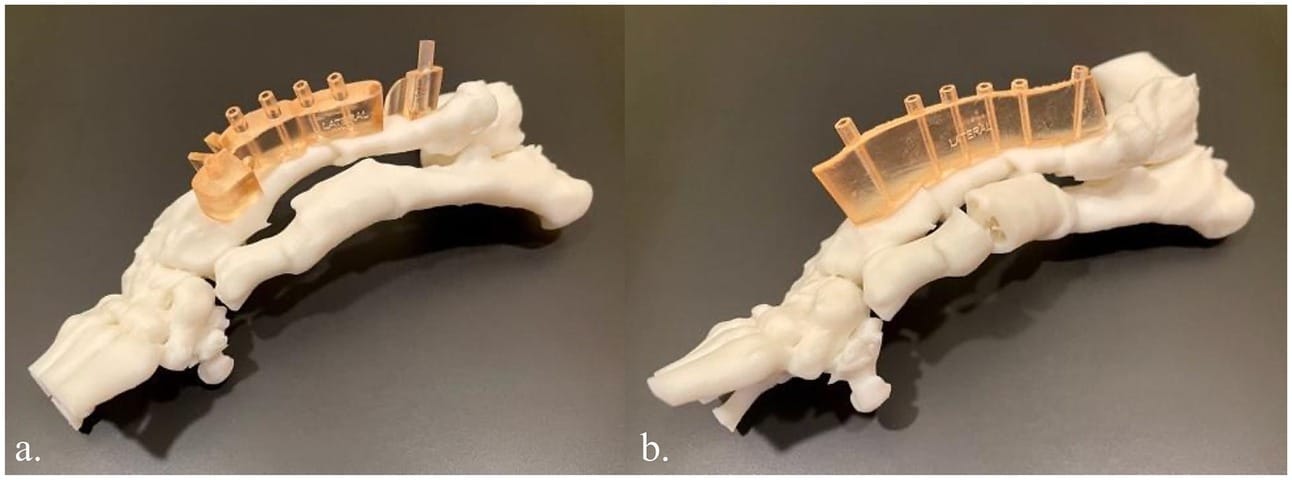
3D printed innate left antebrachial deformity in white resin and the cutting guide in biocompatible surgical guide resin (light orange)
🔍 The Scoop
Three dogs—a German Shepherd, Basset Hound, and Labrador—underwent CT scans that were converted into digital bone models in Materialise Mimics. Virtual osteotomies defined cut planes, and sterilizable PLA drill guides were printed overnight for $150 in consumables. In surgery the guides clipped onto deformed tibias like puzzle pieces, dictating cut angles within 1 °. Operative time fell 32 %, blood loss dropped by a third, and each patient bore full weight by week six.
Unexpected perk: tangible models turned owner confusion into clarity. Handling a 3-D replica triggered “aha” moments, raising consent rates and NPS scores. Educators are now swapping cadavers for printed bones to practice plating drills, lowering costs and biohazard disposal fees.
Scaling forward, researchers plan bio-printed scaffolds seeded with osteoblasts for non-union fractures. The bigger workforce story? Additive manufacturing transforms hours of rads review and free-hand angst into click-to-print precision, freeing surgeons to think about outcomes rather than jig geometry.
🧠 Why It Matters
✅ Precision cuts – Guides lock angles, slashing revision risk
✅ Shorter anesthesia – Faster surgery speeds recovery & frees table time
✅ Client clarity – Touch-and-feel models close consent gaps
💬 Join the Conversation
Printer lease or outsource—what’s your first move?
Which cases beg for a custom jig in your hospital?
Alertix-CRI: Catching Canine Cancer Before It Roars
📝 Hanan Sharif et al. | Apr 24 2025 | Frontiers in Vet Sci 🔗 Read More
🔍 The Scoop
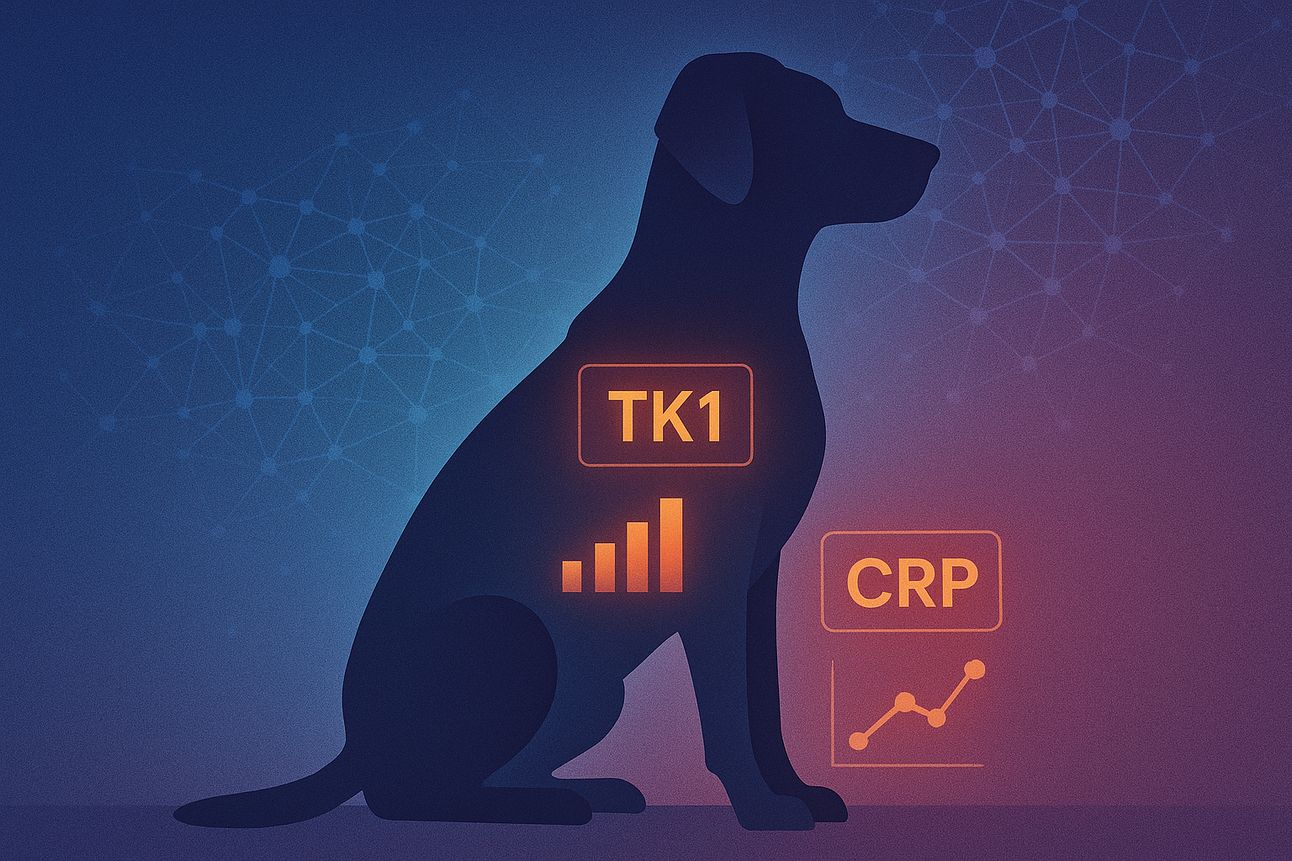
Alertix merged thymidine-kinase-1, C-reactive protein, and patient age into a boosted-decision ML model that outputs a Cancer Risk Index from a single serum tube. In 1,100 dogs the CRI posted 90 % sensitivity across lymphoma, hemangiosarcoma, and osteosarcoma—often months before owners noticed swelling or appetite dips. False positives ran 8 %, comparable to human mammography.
Beyond detection, serial CRI scores paralleled tumor burden in dogs on CHOP, letting oncologists modulate dose intensity like MRD assays do in human leukemia. Alertix is courting reference labs to bundle CRI with senior wellness panels, promising new revenue plus extra months of life for pets.
For workflow, techs spin and ship; AI crunches overnight; doctors spend saved time on counseling rather than convincing. Preventive medicine becomes truly preventive, and revenue aligns with genuine value.
🧠 Why It Matters
✅ Pre-symptom detection – Finds tumors months early
✅ Therapy guidance – Serial scores fine-tune chemo
✅ Revenue + value – Turns routine bloodwork into life-saving intel
💬 Join the Conversation
Would you bundle CRI on every senior panel?
How do you counsel “watch-and-wait” owners on false positives?
CircTrek Wearable: Live Lab Work on a Wrist Cuff
📝 Michaela Jarvis | Apr 23 2025 | MIT News 🔗 Read More
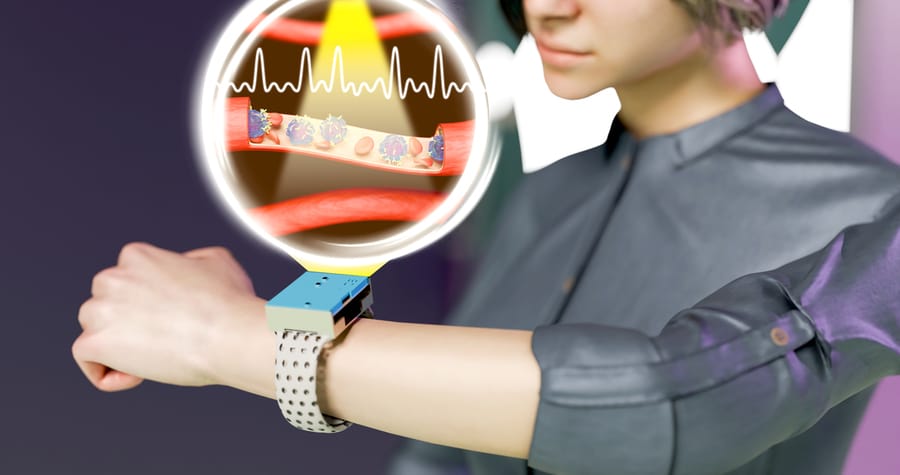
In this conceptual illustration, the CircTrek device continuously monitors circulating cells in the blood vessels, enabling real-time, noninvasive health tracking.
🔍 The Scoop
MIT’s Nano-Cybernetic Biotrek group shrank flow-cytometry optics into a 25-g cuff dubbed CircTrek. Laser pulses excite fluorescent antibodies on circulating tumor or immune cells; avalanche photodiodes catch single-photon echoes, and on-board ML filters out the noise. In pig-vein simulations, CircTrek detected one tumor cell among a million erythrocytes, streaming real-time counts via Bluetooth straight to your phone.
Early human trials target CAR-T infusion monitoring and sepsis alerts hours before vitals wobble. But in vet med? The possibilities are even bigger: ICU pets could stream CBCs every minute; feline lymphoma patients could skip weekly pokes; racehorses could flag rhabdo before hitting the wall.
At ~$500 projected BOM, CircTrek undercuts many in-house CBCs by year two—no venipuncture, no biohazard waste, no midnight lab runs. Suddenly, hematology isn’t a syringe-and-slide problem anymore—it’s a streaming data feed. That frees nurses to medicate, not phlebotomize, and lets doctors spot trouble hours before clinical crash.
🧠 Why It Matters
✅ Real-time hematology – Continuous counts replace snapshot bloodwork
✅ Lower stress – Wearables spare pets repeat venipuncture
✅ Earlier interventions – Detect relapse or infection hours sooner
💬 Join the Conversation
Which ICU metric would you stream first?
How would you validate cuff accuracy against your CBC?
Humanoid Robots: Bipedal Back-Ups for the Vet Team
📝 Brian Roemmele | Apr 19 2025 | Multiplex 🔗 Read More
🔍 The Scoop
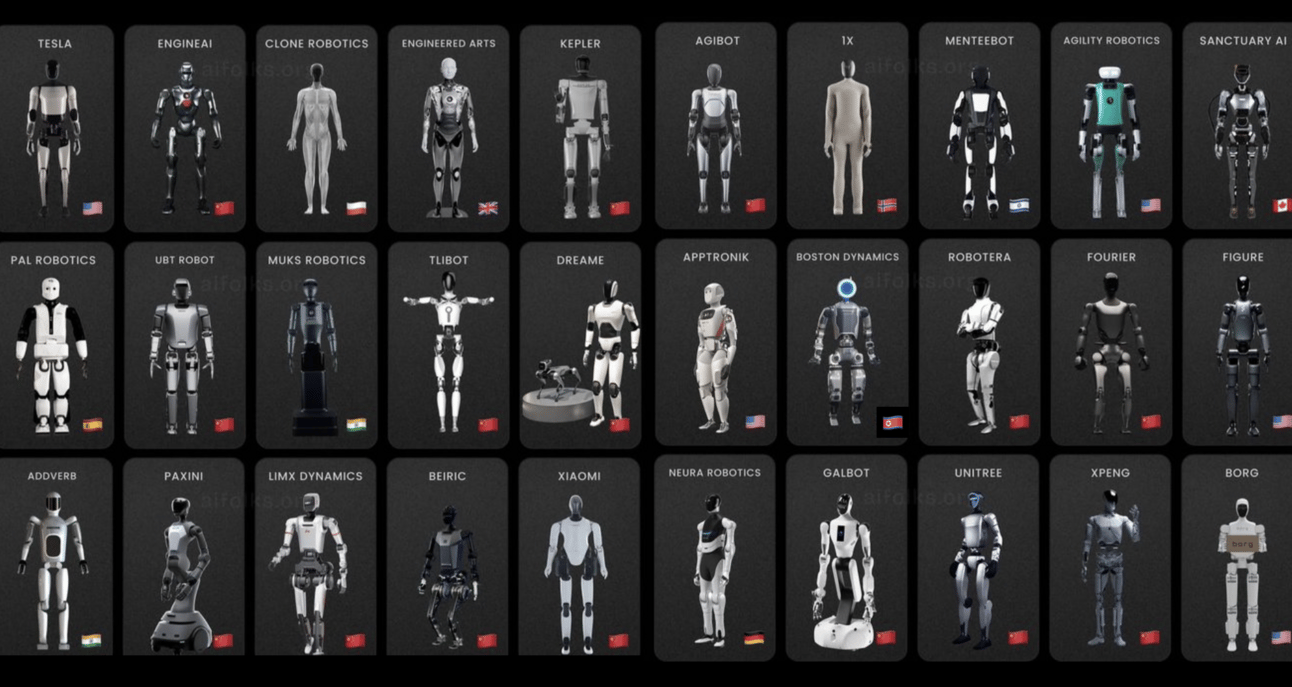
Tesla Bot, Figure 01, and Digit now pair 20-DOF arms, vision transformers, and GPT-class brains into real-world helpers. In warehouses, they haul 35-kg loads with 99% uptime; in homes, a beta tester folded 30 towels in 15 minutes—dog hair included.
In veterinary hospitals, humanoid robots could step in first for the heavy lifting we don’t have enough hands for: moving supply boxes, restocking crash carts, running lab samples, disinfecting isolation wards. As models get smarter, they could assist with inventory management, anesthesia monitoring support, or setup for surgery and dental procedures—freeing nurses to focus on patient care instead of prepping equipment.
Multiplex projects humanoid leasing at ~$3K/month—cheaper than hiring an overnight tech—and predicts a 40% drop in back injuries across shift workers. Early adopters report anxious owners warming up quickly when a robot delivers a water bowl or a stick-figure doodle of their pet’s fracture. Staff feel pride, not threat, as dirty and repetitive tasks vanish—giving them more time for mentorship, client connection, and medical judgment.
Humanoids won’t replace the bond—they’ll protect it. Used wisely, robots could help hospitals stay human at the heart, even as the workload at the edges becomes bionic.
🧠 Why It Matters
✅ Labor back-up – 24/7 logistics when staffing is tight
✅ Safer handling – Robots tackle Saint Bernard lifts & UV mop-downs
✅ Client wow factor – A bipedal greeter builds instant buzz
💬 Join the Conversation
Which task would you hand off first—laundry, med runs, or janitorial?
Lease or buy: which model fits your cash-flow reality?
🙌🏼 Impressive Animals 🐾
Hibernating Grizzlies: Nature’s Metabolic Hackers
📝 Charlene Lancaster, PhD | Apr 2025 | The Scientist 🔗 Read More

🔍 The Scoop
Grizzlies pull off one of the greatest biological tricks around: they drop their heart rates to eight beats per minute, flip insulin resistance on and off like a light switch—and somehow emerge from months of hibernation without a hint of muscle wasting or diabetic damage.
Researchers at Washington State University tracked adipose and muscle RNA samples every two weeks through the bears’ nap and uncovered eight key proteins that reroute glucose away from fat buildup, while IGF-binding protein 2 spikes 300-fold to protect muscle fibers.
Pharma giants are racing to copy the trick for ICU patients and Type 2 diabetics, but the veterinary world isn’t far behind. Vet teams are already testing “hibernation mimetic” drips for laminitic ponies stuck on stall rest and senior cats prone to muscle loss.
Turns out, when wildlife shows us how to hack metabolism, conservation doesn’t just save species—it hands us new clinical tools, too.
🧠 Why It Matters
✅ Translational insights – Bear proteins could inspire anti-diabetic drugs
✅ Muscle preservation – Templates for long cage-rest protocols
✅ Wildlife spotlight – Conserving “living labs” fuels discovery
💬 Join the Conversation
Could hibernation mimetics aid post-op crate rest?
Which other species hide medical superpowers?
💊℞: Dose of Humor


📣 Support Vet to the Future!
Love this newsletter? Buy me a coffee and support my work! ☕ ko-fi.com/rossimiano
📢 Want to sponsor Vet to the Future? Let’s talk!
You're still here? Awesome. Since you're clearly a newsletter connoisseur, here's another one I think you'll appreciate.
|

🎬 Closing Thoughts
Bone guides that snap on like bespoke Lego. Cuffs that stream CBCs without a needle. Robots that haul laundry and restock crash carts. AI scribes that listen, but don’t replace your judgment.
None of this tech is about taking over—it’s about buying back daylight: the minute you need to squat beside a shaking Chihuahua, the half hour you need to mentor an intern through her first GDV, the off-duty hour you finally reclaim for family.
The only smart filter is the human-animal bond. Adopt tools that sharpen your humanity; ignore the ones that blunt it.
Do that, and the clinic of 2030 won’t feel like a sci-fi set—it’ll feel like the practice you always hoped you’d build.
📩 Want to submit a story? Let’s connect!
Reply