- Vet to the Future
- Posts
- 🫎 Moose, Medicine, & the March of Progress
🫎 Moose, Medicine, & the March of Progress
What do moose migrations, thermal cameras, and medical marvels have in common? They’re all shaping the future of vet med.

Ross Massimiano, DVM
April 22, 2025
📅 Issue #4 | Tuesday, April 22, 2025 | ⏳ Read Time: 9 Minutes | 1,956 Words
👋 Welcome to Vet to the Future
Hey friends—welcome back to Vet to the Future, your front-row seat to the breakthroughs shaping veterinary medicine, animal science, and technology.
This issue spans everything from AI diagnostics that outperform doctors to seals teaching us about fertility. You’ll find smart stethoscopes, cancer-fighting chips, stress-free thermography, and a livestream of moose that’s oddly therapeutic.
Each story this week highlights a different kind of progress—whether it’s precision tools for the clinic, inspiration from the wild, or bold new ideas for how we treat disease in animals and humans alike.
Let’s jump in.
⚡ Quick Hits
💼 AI in Animal Health Market Poised for Growth
Forecasts estimate the market will reach $2.11B by 2030 as AI reshapes clinical care, diagnostics, and operations. 🔗 Read More
🫁 AI Detects Lung Cancer Early in UK Patients
Qure.ai’s chest CT tool is helping radiologists catch lung cancer sooner—and could inspire similar tech for vet diagnostics. 🔗 Read More
🧬 Trametinib Offers Hope in Canine Cancer Trial
This targeted human cancer drug showed promise in shrinking tumors in dogs during an early trial. 🔗 Read More
🧫 Microfluidic Chip Models Cancer in Real Time
A new chip lets scientists study tumor behavior live, offering insights into metastasis, drug resistance, and future vet oncology tools. 🔗 Read More
🦭 Seals Offer Reproductive Health Insights
Studies of seals’ metabolic and reproductive adaptations may offer translational lessons for human medicine. 🔗 Read More
📷 Infrared Thermography Gets Non-Contact Veterinary Upgrade
A new thermal imaging system offers stress-free inflammation detection—especially for exotics and skittish pets. 🔗 Read More
🫁 AI Stethoscope Detects Heart Valve Disease Through Clothing
A Cambridge-built stethoscope powered by AI detects heart murmurs without needing direct skin contact. 🔗 Read More
🧠 Google’s AMIE AI Outperforms Doctors in Simulations
Google’s AMIE model beat doctors in clinical reasoning tasks, showing how close AI is to becoming a diagnostic partner. 🔗 Read More
🧪 Longevity Drug Trial for Dogs Reaches Milestone
Loyal’s STAY study reached 1,000 enrolled dogs—testing therapies that could delay aging and extend lifespan in senior pets. 🔗 Read More
📈 CAPC’s 2025 Pet Parasite Forecast Released
Updated forecasts predict shifting hotspots for heartworm and tick-borne diseases across the U.S. 🔗 Read More
🧪 AI Tools Are Reshaping Veterinary Workflows
Veterinary teams are now using AI tools for triage, diagnostics, and streamlining daily tasks. 🔗 Read More
🤖 AI Tools Help Clinicians Personalize Diabetes Care
Using NLP, researchers built AI tools to guide human patient support, hinting at smarter communication tools for chronic vet care. 🔗 Read More
🤿 Deep Dives
💼 AI in Animal Health Market Poised for Growth
📝 By Research and Markets | April 17, 2025 | Source: GlobeNewswire 🔗 Read More
🔍 The Scoop
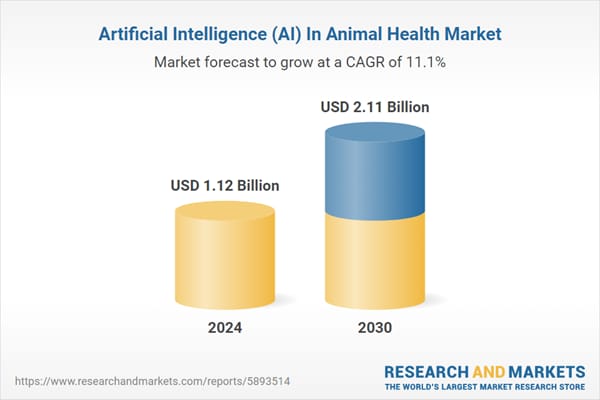
The AI in Animal Health market is projected to nearly double by 2030, growing from $1.12 billion to $2.11 billion. This reflects booming demand for tools like diagnostic AI, remote monitors, and smart practice management systems.
Clinics worldwide are using AI to streamline triage, detect disease earlier, and communicate more effectively with pet owners. These tools aren’t just helpful—they’re becoming essential.
From wearables to predictive imaging, AI is no longer futuristic—it’s the new normal. AI add-ons have gone from futuristic perks to competitive necessities for modern clinics..
The momentum is global—driven by rising pet ownership, smart clinic integrations, and broader access to digital tools. Expect wearables, predictive analytics, and diagnostics to increasingly define the competitive edge of forward-thinking practices.
🧠 Why It Matters
✅ Signals AI is going mainstream in vet med – Confirms rapid adoption across global clinics.
✅ Changes how we deliver care – Enables proactive, remote, and tech-driven care models.
✅ Raises the bar for staff training – Demands updated skills for veterinary teams.
💬 Join the Conversation
Where does your practice stand on AI adoption?
Should vet schools require AI and tech literacy?
How do we make AI tools useful for veterinary nurses—not just doctors?
🩺 AI-Powered Lung Cancer Detection Deployed in Southwest England
📝 By Jordan Sollof | April 17, 2025 | Source: Digital Health 🔗 Read More
🔍 The Scoop
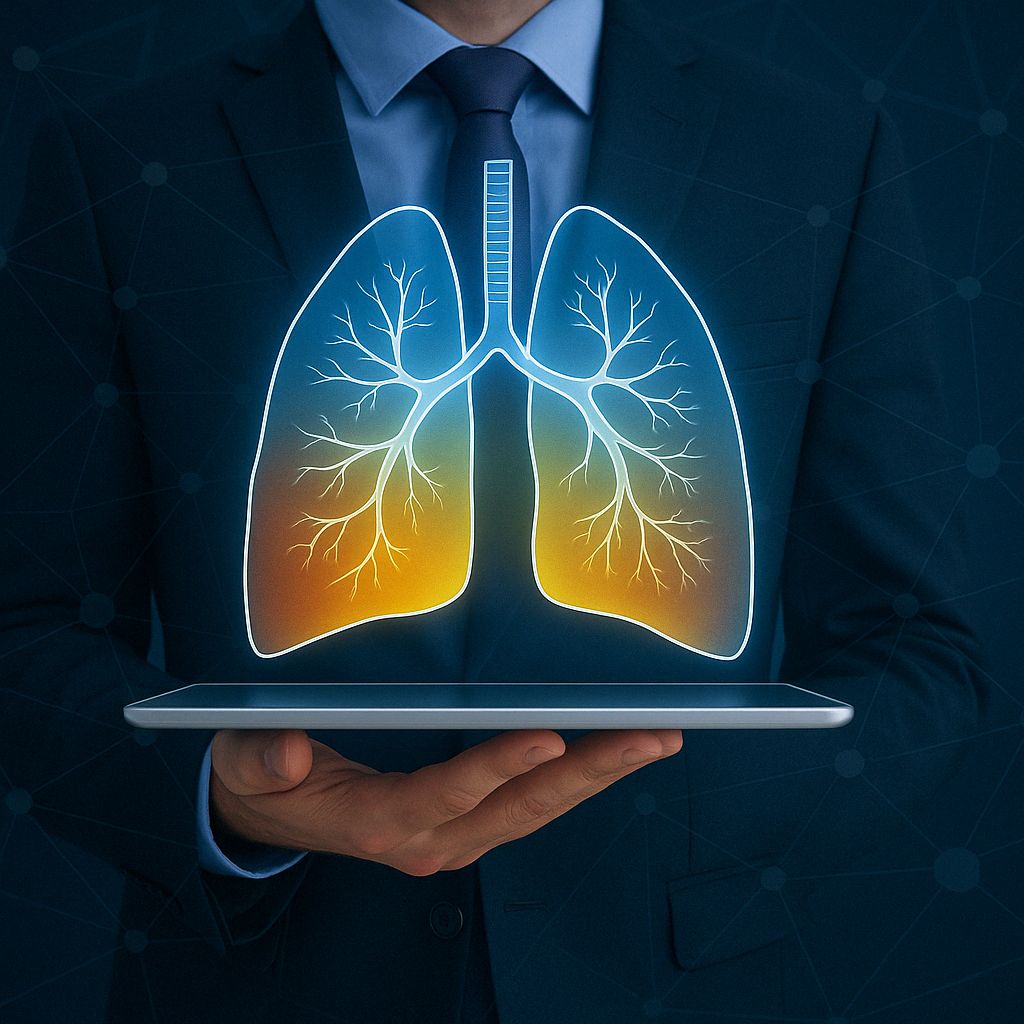
Although developed for human healthcare, the deployment of Qure.ai’s AI-powered CT scan tool across five sites in Southwest England offers a glimpse into how similar technologies might improve veterinary diagnostics. The system analyzes chest CT scans to detect lung nodules, helping radiologists identify signs of cancer earlier and monitor their progression more effectively. This real-time support allows for faster triage and could reduce missed diagnoses in busy imaging environments.
In human clinics, this tool processes 1,200 chest scans a week. Its success could pave the way for similar AI applications in veterinary hospitals—particularly for early detection of pulmonary disease in older pets.
🧠 Why It Matters
✅ Enhances early detection – Timely identification of lung cancer improves outcomes.
✅ Supports radiologist workflows – Flags suspicious findings to reduce oversight.
✅ Scales screening capacity – Especially valuable in underserved or high-volume areas.
✅ Veterinary implications – Could improve respiratory disease detection in animals.
💬 Join the Conversation
How can we translate this tech into vet radiology?
Would AI-supported scan review improve triage in emergency vet care?
What species could benefit most from AI-assisted imaging?
🎗️ Trametinib Offers Hope in Canine Cancer Trial
📝 By Today’s Veterinary Practice Editorial Team | April 17, 2025 | Source: Today’s Veterinary Practice 🔗 Read More
🔍 The Scoop
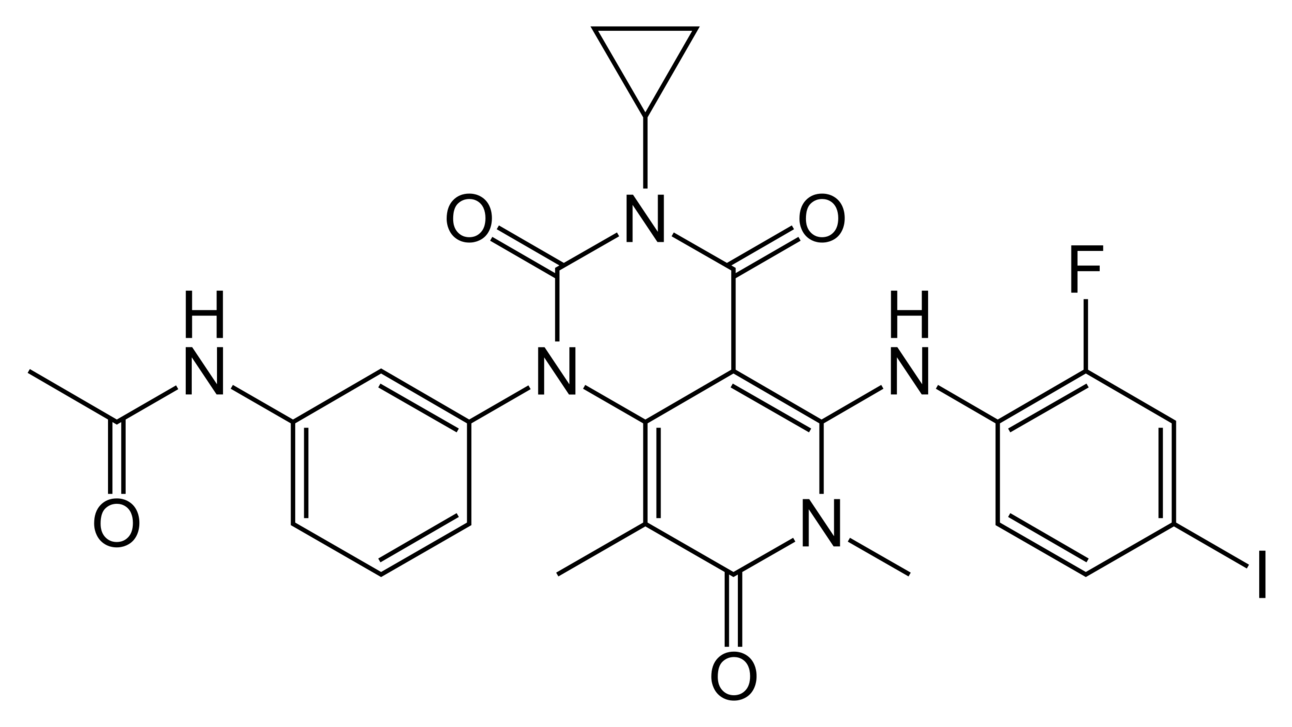
Trametinib, a MEK inhibitor used in human oncology, has shown exciting promise in early-stage veterinary trials for canine cancers—including mast cell tumors and potentially osteosarcoma. In this trial, dogs with advanced, treatment-resistant cancers experienced partial tumor regression, improved appetite, and prolonged quality of life.
This breakthrough is particularly meaningful to me—my own dog was lost to osteosarcoma, and like so many pet parents, I know how devastating it is to run out of options. Seeing targeted human oncology drugs being repurposed for pets brings new hope that we can do better for the next generation of patients.
This trial hints at a future where cancer care for pets could mirror the personalized, genomics-driven approaches seen in human medicine.
✅ Opens the door to veterinary precision medicine – Enables more targeted, effective therapies.
✅ Uses existing human treatments for new species – Accelerates time to access in vet med.
✅ Expands clinical trial options – Offers hope for pets with few treatment paths.
💬 Join the Conversation
Would your clients consider a clinical trial for their pet?
How do we handle cost discussions with these advanced treatments?
Can veterinary oncology keep pace with human medicine?
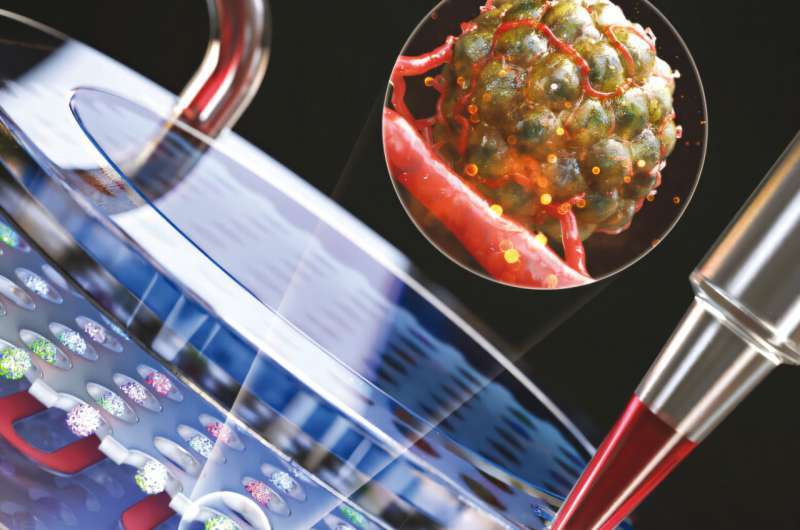
🧬 Microfluidic Chip Enables Real-Time Study of Cancer Cell Interactions
📝 By JooHyeon Heo | April 15, 2025 | Source: Medical Xpress 🔗 Read More
Advanced Science (2025)
🔍 The Scoop
Though this innovation comes from human oncology research, the ODSEI chip's ability to simulate tumor and blood vessel interactions may one day inform veterinary cancer care. Developed by Korean researchers, this microfluidic chip allows real-time observation of how tumor spheroids and vascular cells interact, helping researchers study metastasis and test drug efficacy.
Its open design even allows for recovery and sequencing of cells—potentially enabling individualized cancer diagnostics. Veterinary oncology could follow this lead, using organ-on-a-chip tech to model tumors in companion animals and refine therapeutic strategies.
🧠 Why It Matters
✅ Unlocks tumor behavior insights – Helps researchers study how cancers grow and spread.
✅ Enables real-time drug testing – Supports the development of personalized therapies.
✅ Flexible, high-throughput platform – Adaptable to multiple cancer types and patient models.
✅ Veterinary relevance – May inspire custom cancer diagnostics for pets.
💬 Join the Conversation
Could microfluidic devices help veterinarians test tumor response to treatments?
How soon before this becomes viable in animal hospitals?
Should vet schools invest in comparative oncology innovation?
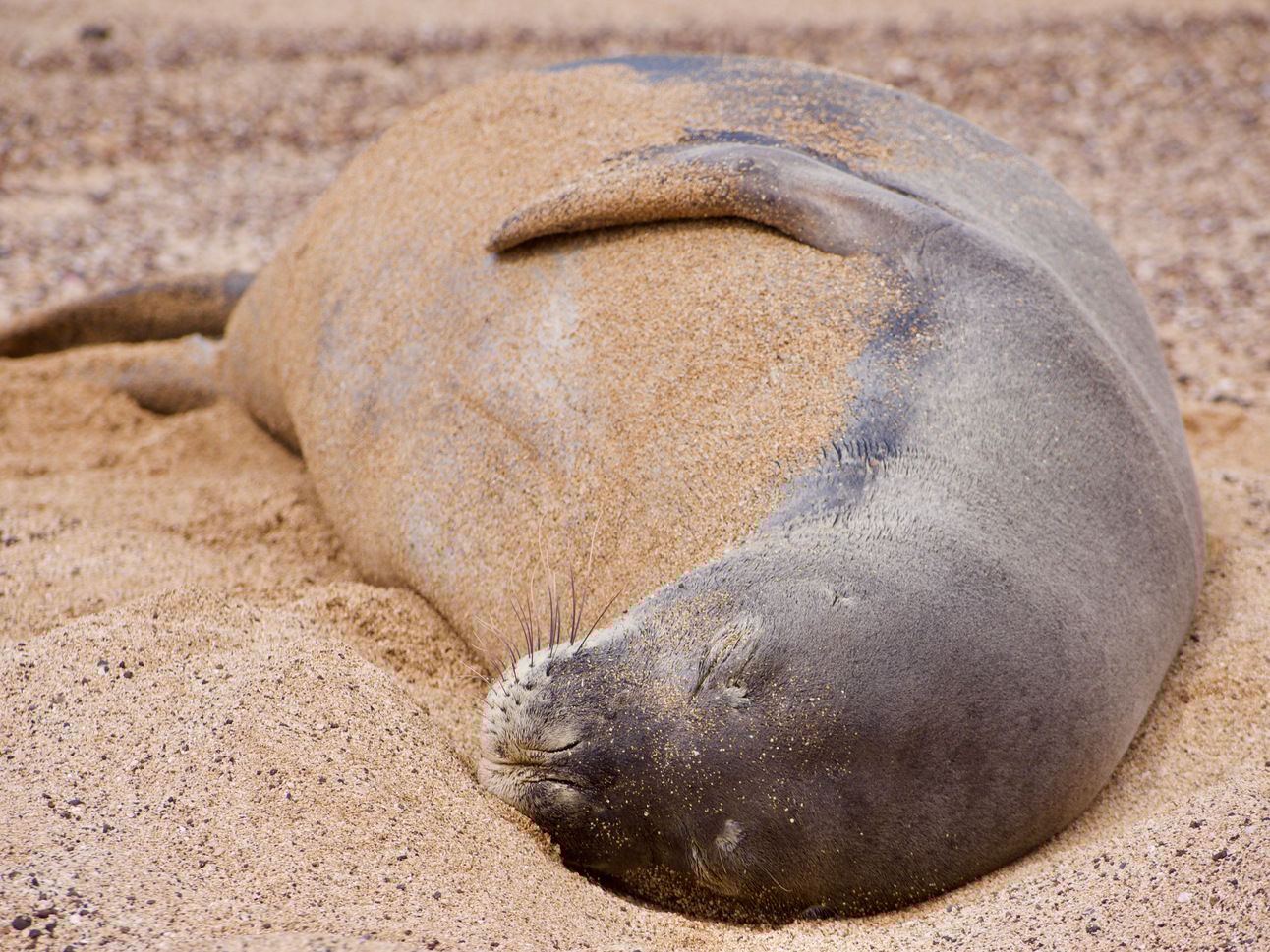
🦭 Seals Offer Reproductive Health Insights
📝 By Michelle Shero | April 15, 2025 | Source: ScienceDaily 🔗 Read More
Monk seal, 📍 Kauai, HI
🔍 The Scoop
Seals exhibit remarkable traits like embryonic diapause, an ability to 'pause' pregnancy, and oxygen-efficient diving, making them ideal models for studying human fertility and metabolism. Recent research highlights how these adaptations could influence reproductive medicine, cancer treatment, and metabolic disease management.
Scientists are especially interested in how seals toggle between growth and dormancy—an ability that may offer clues about cancer suppression and energy preservation.
It's a fascinating case of comparative medicine where wild physiology could unlock real-world clinical breakthroughs, and the keys to advancing medicine may lie in the ocean just as often as in the lab.
By understanding how seals toggle reproduction and metabolism, scientists hope to uncover new ways to address infertility and manage metabolic syndromes. It's a brilliant case of comparative medicine in action.
🧠 Why It Matters
✅ Shows potential applications of wildlife research – Applies natural adaptations to clinical challenges.
✅ Links marine biology to medicine – Bridges ecosystems and translational science.
✅ Inspires ethical innovation – Encourages humane research models.
💬 Join the Conversation
Should reproductive medicine invest more in wildlife physiology?
What does diapause teach us about pausing disease?
Where do ethics meet opportunity in animal-based fertility research?
📷 Infrared Thermography Gets Non-Contact Veterinary Upgrade
📝 Daniela Alberghina et al | April 17, 2025 | Source: Frontiers in Veterinary Science 🔗 Read More
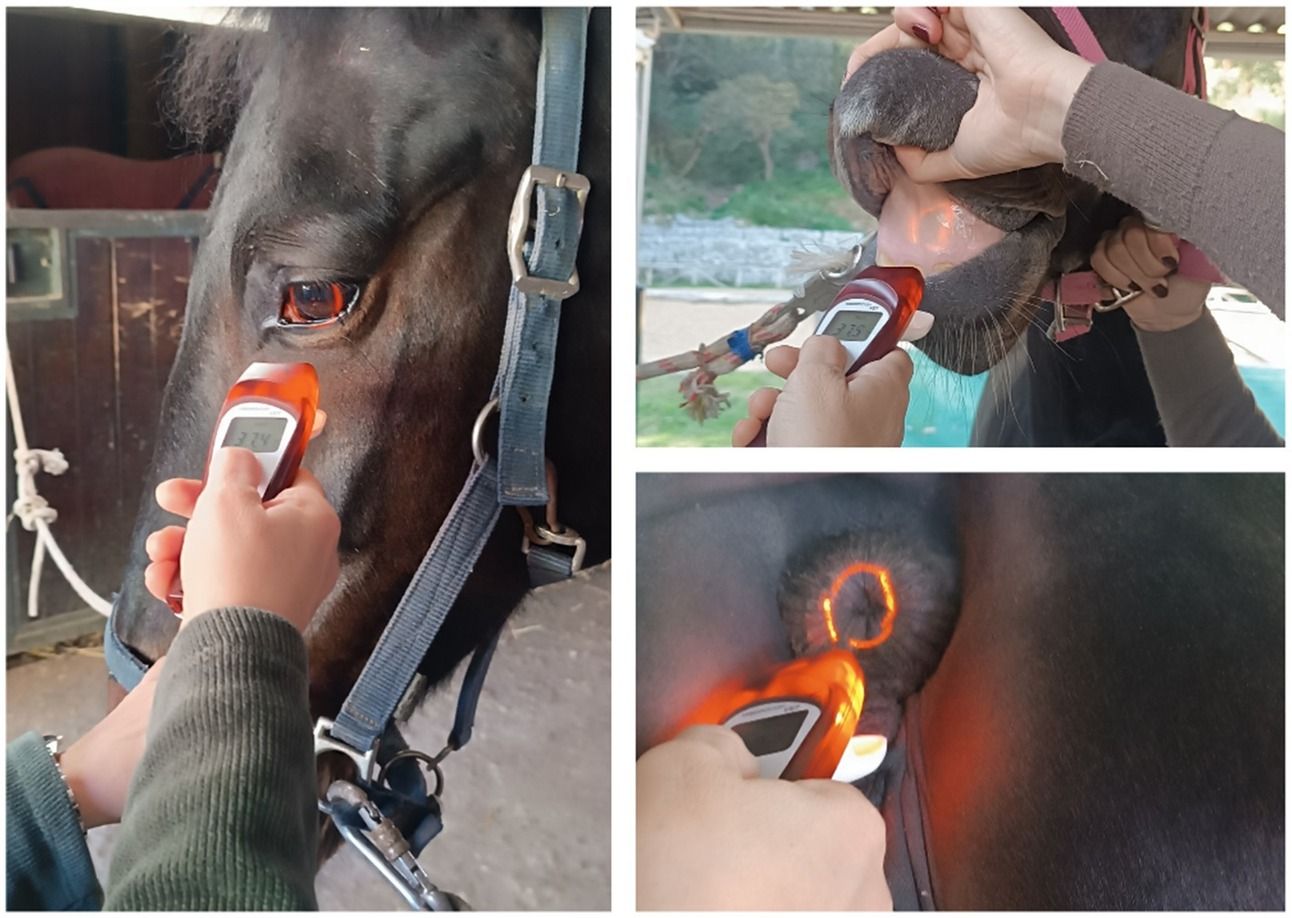
Equine temperature measurement using a non-contact veterinary infrared thermometer at three different measurement body sites.
🔍 The Scoop
Veterinary infrared thermography has evolved, with a new system enabling non-contact, high-precision inflammation detection across species. This tech uses detailed thermal imaging to identify temperature variations on the skin—ideal for exotic animals or those stressed by handling.
The study confirms this non-invasive method correlates with traditional pain and inflammation indicators, offering a fast, safe tool for general practice, shelter medicine, and wildlife care. It’s already gaining attention for use in pain assessment protocols and as part of triage in fear-free veterinary workflows.
🧠 Why It Matters
✅ Minimizes stress – Especially for fearful or fragile animals
✅ Improves detection – Offers visual insight into hidden pathology
✅ Enhances triage and rechecks – Use cases in shelter and ER care
💬 Join the Conversation
Could thermal cameras become as standard as stethoscopes?
How can clinics train staff on reading thermal patterns?
What species benefit most from non-contact diagnostics?
🙌🏼 Impressive Animals 🐾
🎉 Moose Migration Livestream Wins Hearts Worldwide
📝 By Amanda Silberling | April 15, 2025 | Source: TechCrunch 🔗 Read More
🔍 The Scoop
Each spring, Swedish moose make their annual river crossing—a stunning natural migration captured via livestream. The 'Great Moose Migration' has become a global hit, blending real-time wildlife observation with digital calm.
Millions now tune in to this quiet spectacle, drawn to its unfiltered window into animal behavior and seasonal rhythms. It's both science communication and nature therapy.
More than just content, it’s inspiring conservation awareness and classroom curiosity around the world.
🧠 Why It Matters
✅ Connects people to the wild – Engaging nature is just a click away.
✅ Drives interest in animal science – Inspires new questions about animals’ behavior.
✅ Sparks joy – And that’s something science can measure too. Animals make us happy.
💬 Join the Conversation
What other migrations or animal livestreams would you tune in for?
Could this work as a classroom teaching tool?
How do we fund more public science like this?
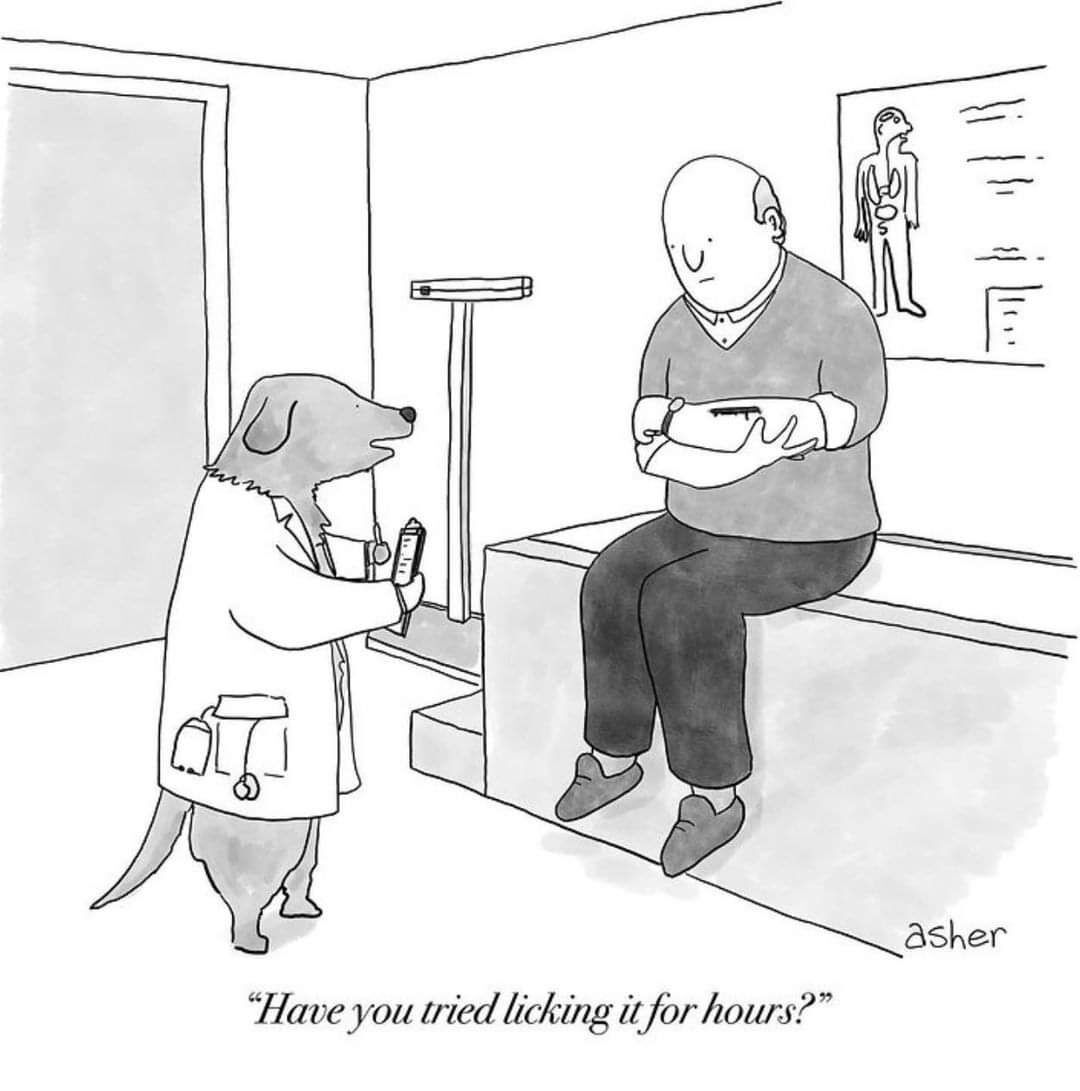
💊℞: Dose of Humor
📣 Support Vet to the Future!
Love this newsletter? Buy me a coffee and support my work! ☕ ko-fi.com/rossimiano
📢 Want to sponsor Vet to the Future? Let’s talk!
You're still here? Awesome. Since you're clearly a newsletter connoisseur, here's another one I think you'll appreciate.
|

🎬 Closing Thoughts
What stood out to me in this issue was how interconnected everything is becoming. Wildlife is teaching us about human medicine. AI is reshaping diagnostics across species. A cancer drug developed for people is giving dogs another shot at life.
It’s not just that vet med is advancing—it’s becoming more collaborative, more tech-enabled, and more open to the kind of wild insights that used to be overlooked. We’re seeing tools once built for humans find new life in animal care, and natural phenomena—like seal biology or moose migration—become meaningful to science and society.
Whether it’s improving diagnostics, reducing stress in care, or simply finding joy in watching nature, the future of animal health is full of connection, curiosity, and compassion.
Thanks for reading. As always—stay curious, stay scrappy.
Cheers,
Ross
📩 Want to submit a story? Let’s connect!
Reply