- Vet to the Future
- Posts
- 🗺️ When Maps Teach, Robots Cut, and Cats Diagnose
🗺️ When Maps Teach, Robots Cut, and Cats Diagnose
From GIS-powered vet training to robot surgeons and gene-hacked mice, this week’s issue is about tools shaping veterinary care—plus, how one sharp-nosed cat helped discover a brand-new virus.

Ross Massimiano, DVM
July 15, 2025
Issue #16 | Tuesday July 15, 2025 | ⏳ Read Time: ~7 Minutes | 1,329 Words
👋 Welcome to Vet to the Future
Where does instinct end and machine logic begin? That’s the theme tying everything together this week. From autonomous surgical robots and gene-hacked mice to GIS-powered vet education and a cat sniffing out a brand-new virus, these stories all sit at the crossroads of biology and technology.
It’s not just about the newest gadgets—it’s about how we as veterinarians, researchers, and animal lovers use these tools while keeping clinical curiosity and patient care front and center. Let’s get into it.
⚡ Quick Hits: Your Fast Facts Roundup
🤖 Autonomous Robot Surgeon Removes Organs
A fully autonomous robot successfully performed gallbladder removals with 100% accuracy. 🔗 Read More
🖨️ 3D Printing Powers Veterinary Surgery Planning
New case studies show how 3D-printed models improve complex veterinary procedures. 🔗 Read More
🧬 Gene-Hacked Mice Produce Their Own Ozempic-Like Drug
Scientists engineered mice to self-produce GLP-1 analogues in their livers. 🔗 Read More
🗺️ GIS in Veterinary Education
Geographic data helps vet students map disease risk and one-health connections. 🔗 Read More
🐈 Florida Cat Sniffs Out New Virus
A domestic cat helped identify an entirely new viral species linked to tick-borne illness. 🔗 Read More
🐺 Robot Coyotes Protect Airfields
Autonomous robot coyotes scare off birds to keep US military runways safe. 🔗 Read More
🌊 Over 200 Giant Marine Viruses Discovered
Scientists cataloged hundreds of new viruses hiding in ocean ecosystems. 🔗 Read More
🔬 AI Tool for Cancer Detection Trials Begin
Seven NHS hospitals in the UK will test a new AI-driven cancer screening system. 🔗 Read More
⚖️ Dog Declared Immediate Family Member
A New York judge ruled a dog is legally part of the family in a divorce case. 🔗 Read More
🐝 Cyborg Bees Developed in China
Researchers control bee flight using neural implants for potential military use. 🔗 Read More
🪰 USDA Launches Sterile Fly Eradication Center
A new facility targets screwworm outbreaks to protect livestock and wildlife. 🔗 Read More
💊 Weekly Parkinson’s Injection Under Trial
A once-a-week injectable implant shows promise for Parkinson’s treatment. 🔗 Read More
🔄 AI-Controlled Robot Performs Gallbladder Removal
A different autonomous robot achieved 100% accuracy in gallbladder surgery trials. 🔗 Read More
🧠 Scientists Create Biological ‘Artificial Intelligence’ System
A lab-grown neural system shows basic AI-like behavior in a petri dish. 🔗 Read More
🧬 Colorectal Cancer Detected via Microbiome RNA Modifications
Microbiome-derived RNA markers can now distinguish colorectal cancer in early studies. 🔗 Read More
🤿 Deep Dives: Big Stories, Bigger Impact
Autonomous Robot Surgeon Removes Organs With 100% Success Rate
📝 David Szondy | July 10, 2025 | New Atlas 🔗 Read More

The da Vinci Research Kit dVRK-Si was upgraded with an AI machine learning brain.
The Scoop:
For the first time, a fully autonomous surgical robot has performed gallbladder removal procedures entirely on its own—with no human guidance—achieving a 100% success rate in preclinical trials on pigs. The system managed all incisions, cauterization, and suturing steps flawlessly.
While not yet cleared for human or animal patients, this milestone could signal a future where routine veterinary surgeries like spays, neuters, or orthopedic procedures are handled by machines, potentially improving precision and reducing complication rates.
🧠 Why it matters:
✅ Precision Surgery – Reduces human error and enhances outcomes in complex procedures.
✅ Veterinary Potential – Could assist with high-volume spay/neuter programs in the future.
✅ Surgical Training – Offers new models for teaching and simulating procedures.
Join the Conversation:
Would your hospital trust a fully autonomous surgical robot today? Or is there always a need for a human hand?
3D Printing for Advanced Surgical Planning in Veterinary Medicine
📝 Iva Kejnovsky | July 9, 2025 | Frontiers in Veterinary Science 🔗 Read More

The Scoop:
Veterinary surgeons are increasingly turning to 3D-printed models to plan complex procedures. These case studies highlight how creating exact anatomical replicas of an animal’s body can help prepare surgical teams before making the first cut. From orthopedic repairs to tumor removals, 3D models allow detailed practice and risk assessment beforehand.
This approach not only improves patient outcomes but could also reduce anesthesia time and complications. It also serves as a powerful educational tool for training new surgeons in veterinary medicine.
🧠 Why it matters:
✅ Personalized Care – Improves outcomes by tailoring surgery to individual patients.
✅ Educational Tool – Assists with training new surgeons and planning.
✅ Cost Savings – Potential to reduce intraoperative complications.
Join the Conversation:
Have you or your hospital used 3D printing for surgical planning? What cases would benefit most?
Gene-Hacked Mice Produce Their Own Ozempic-Like Drug
📝 Noor Al-Sibai | July 13, 2025 | Futurism 🔗 Read More

The Scoop:
In a new study, scientists have genetically modified mice so their livers permanently produce GLP-1, a hormone similar to Ozempic used for treating diabetes and obesity. The altered mice no longer required injections or external medication—their bodies made the treatment automatically.
While primarily focused on human health, this development raises intriguing veterinary possibilities. Imagine diabetic dogs or cats receiving a single gene therapy instead of daily insulin shots.
🧠 Why it matters:
✅ Chronic Disease Treatment – Could eliminate daily injections for diabetic patients.
✅ Veterinary Implications – Future therapies for diabetic pets?
✅ Ethical Considerations – Raises new questions about genetic engineering in animals.
Join the Conversation:
If this treatment were available for pets, would you consider it? What are the risks versus benefits?
Integrating Geographic Information Systems into Veterinary Education
📝 Luís Nunes | July 9, 2025 | Frontiers in Veterinary Science 🔗 Read More
The Scoop:
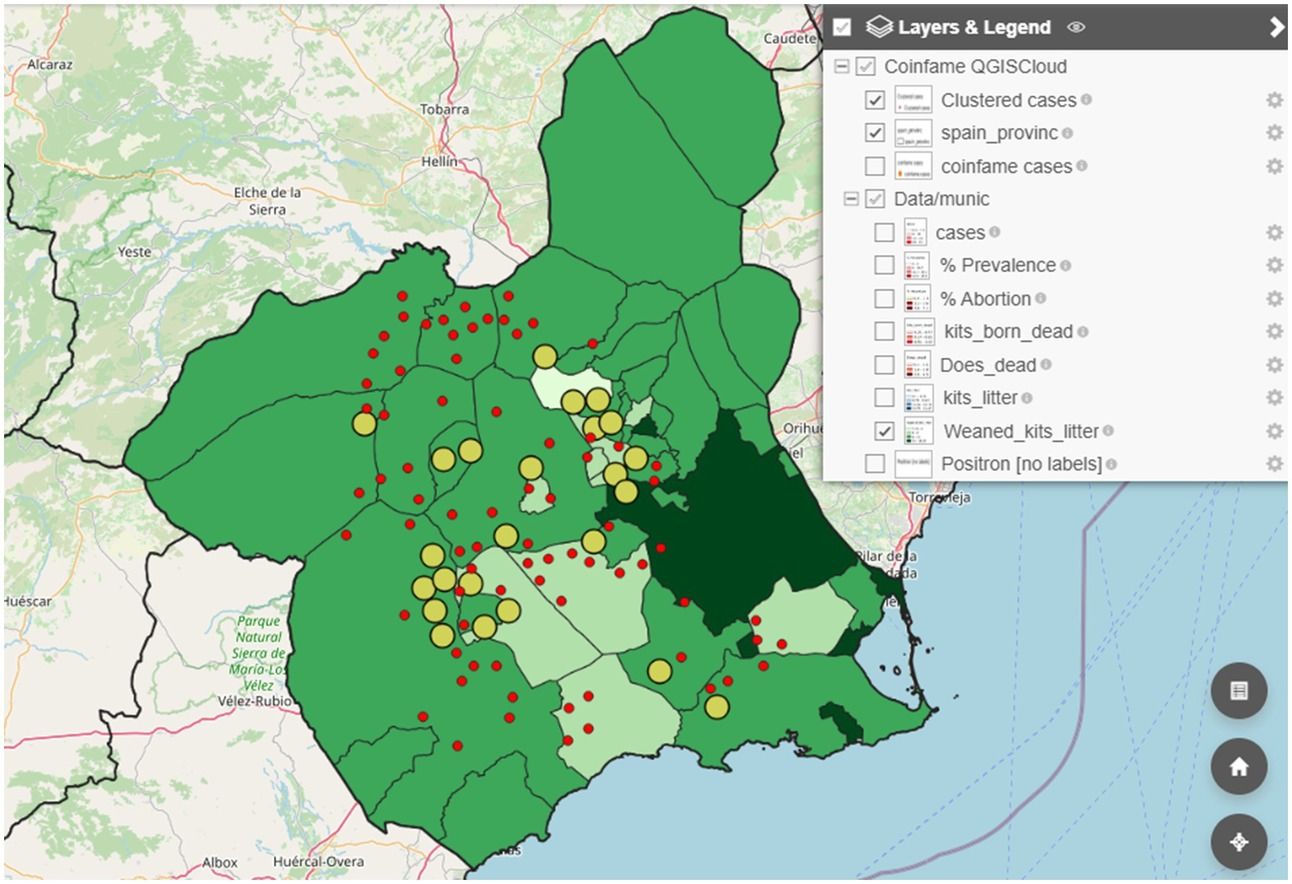
A veterinary school in Portugal is pioneering the use of GIS (Geographic Information Systems) in its curriculum. By mapping disease outbreaks, livestock movement, and environmental risks, students gain a real-world understanding of One Health dynamics.
This approach equips future veterinarians with critical skills beyond clinical care—such as epidemiology, environmental health, and large-scale population management. The program is seen as a model for modernizing veterinary education globally.
🧠 Why it matters:
✅ Disease Mapping – Tracks outbreaks in real time.
✅ Cross-Sector Insights – Bridges gaps between human, animal, and environmental health.
✅ Training Innovation – Expands student skillsets beyond clinical care.
Join the Conversation:
Should GIS become a standard part of veterinary education worldwide? How could it help your hospital?
🙌🏼 Impressive Animals 🐾
Florida Cat Sniffs Out New Virus
📝 University of Florida | July 12, 2025 | ScienceDaily 🔗 Read More

Pepper the cat.
The Scoop:
In a remarkable example of animal-assisted discovery, a domestic cat named Pepper helped researchers identify a previously unknown strain of mammalian orthoreovirus in Florida. After Pepper caught a dead Everglades short-tailed shrew, his owner—a University of Florida virologist—tested the animal and uncovered the virus, now under study for its potential effects on humans and animals.
This story highlights how pets and wildlife encounters can reveal emerging pathogens, offering crucial public health insights while reminding us how intertwined human, animal, and environmental health truly are.
🧠 Why it matters:
✅ Zoonotic Insight – Pets may act as sentinels for emerging human diseases.
✅ Public Health – Early detection of tick-borne illnesses.
✅ Vet-Science Collaboration – Highlights the value of clinical curiosity.
Join the Conversation:
Have you encountered a case where a pet tipped you off to a larger health issue? How do you stay alert for these clues?
💊℞: Dose of Humor

📣 Support Vet to the Future!
Love this newsletter? Buy me a coffee and support my work! ☕ ko-fi.com/rossimiano
📢 Want to sponsor Vet to the Future? Let’s talk!
You're still here? Awesome. Since you're clearly a newsletter connoisseur, here's another one I think you'll appreciate.
|

🎬 Closing Thoughts
The stories in this issue remind me that real progress doesn’t always look like flashy new machines. Sometimes, it’s a house cat triggering a discovery. Sometimes, it’s students learning to see their map as part of the patient. It all comes back to the same challenge: keeping clinical instinct alive even as technology grows more powerful.
As always, I’d love to hear what feels most relevant to you. Which of these tools do you think will stick? Which feels overhyped? Until next week, thanks for reading—and keep looking ahead.
Cheers,
Ross
📩 Want to submit a story? Let’s connect → [email protected]!
Reply