- Vet to the Future
- Posts
- 🔎 Reuniting Pets, Rewiring Tadpoles, and Connecting Minds
🔎 Reuniting Pets, Rewiring Tadpoles, and Connecting Minds
We explore breakthroughs that bridge biology and technology—from cyborg tadpoles that grow with neural mesh to facial recognition reuniting pets with their humans.

Ross Massimiano, DVM
June 24, 2025
Issue #13 | Tuesday, June 24, 2025 | ⏳ Read Time: ~8 Minutes | 1,659 Words
👋 Welcome to Vet to the Future
Hey friends—this week’s issue is all about connection: the surprising ways technology is helping us understand, treat, and even speak to animals. From AI facial recognition that could reunite lost pets with their families, to futuristic tadpoles with neural implants, to ChatGPT’s potential role in vet med—these stories are weird, wonderful, and wildly relevant.
Whether it’s rescuing a runaway, restoring brain function, or revolutionizing diagnostics, we’re watching the boundary between biology and computation get fuzzier—and more exciting—by the week.
Let’s dive in.
⚡ Quick Hits: Your Fast Facts Roundup
📸 Facial Recognition for Pets
AI-powered facial recognition may become a game-changer for reuniting lost pets. 🔗 Read More
🧠 Cyborg Tadpoles and Neural Implants
Researchers have developed soft brain-machine interfaces—starting with tadpoles. 🔗 Read More
💉 Novel Bone Cancer Treatment in Dogs
New therapy data show real survival benefits in veterinary oncology. 🔗 Read More
🐶 Digital Health for Companion Animals
This review dives into AI applications, ethics, and digital tools shaping the future of pet care. 🔗 Read More
🦎 Monster Salamander Fossil Rewrites Appalachian History
A newly described species is the world’s largest amphibian—an ancient marvel. 🔗 Read More
🐱 Can AI Translate Cat Talk?
A playful but serious look at AI models trained to decode feline vocalizations. 🔗 Read More
📏 Library of Marine Animal Sizes
A new database catalogs global marine animal dimensions, helping researchers track biodiversity. 🔗 Read More
🧹 Vanishing Scavengers, Rising Risks
As nature’s cleanup crew disappears, disease transmission risks are growing. 🔗 Read More
🤖 Autonomous AI in Oncology
An AI agent has been validated to help guide clinical decision-making in cancer care. 🔗 Read More
🩻 Radiographic Metrics Improve Feline Diagnostics
New imaging techniques help distinguish thoracic masses from fluid in cats. 🔗 Read More
🎓 Veterinary Innovation Summit 2025
Industry leaders are invited to shape the future of veterinary practice and technology. 🔗 Read More
☁️ Cloud-Based Behavior Monitoring in Animals
Veterinary researchers are using cloud systems to digitize and analyze animal behavior more efficiently. 🔗 Read More
🧠 ChatGPT-4o’s Vision of Healthcare
Multimodal AI’s future could change how we diagnose and treat across species. 🔗 Read More
💰 How Vets Can Prepare for Economic Upheaval
This piece outlines financial strategies for veterinary practices to stay resilient amid uncertainty. 🔗 Read More
🪲 Beetles That See Beyond the Spectrum
These beetles possess vision that allows them to detect colors other insects can’t perceive. 🔗 Read More
🤿 Deep Dives: Big Stories, Bigger Impact
Facial Recognition for Lost Pets
📝 Ash-har Quraishi | April 17, 2025 | CBS News | 🔗 Read More
The Scoop:
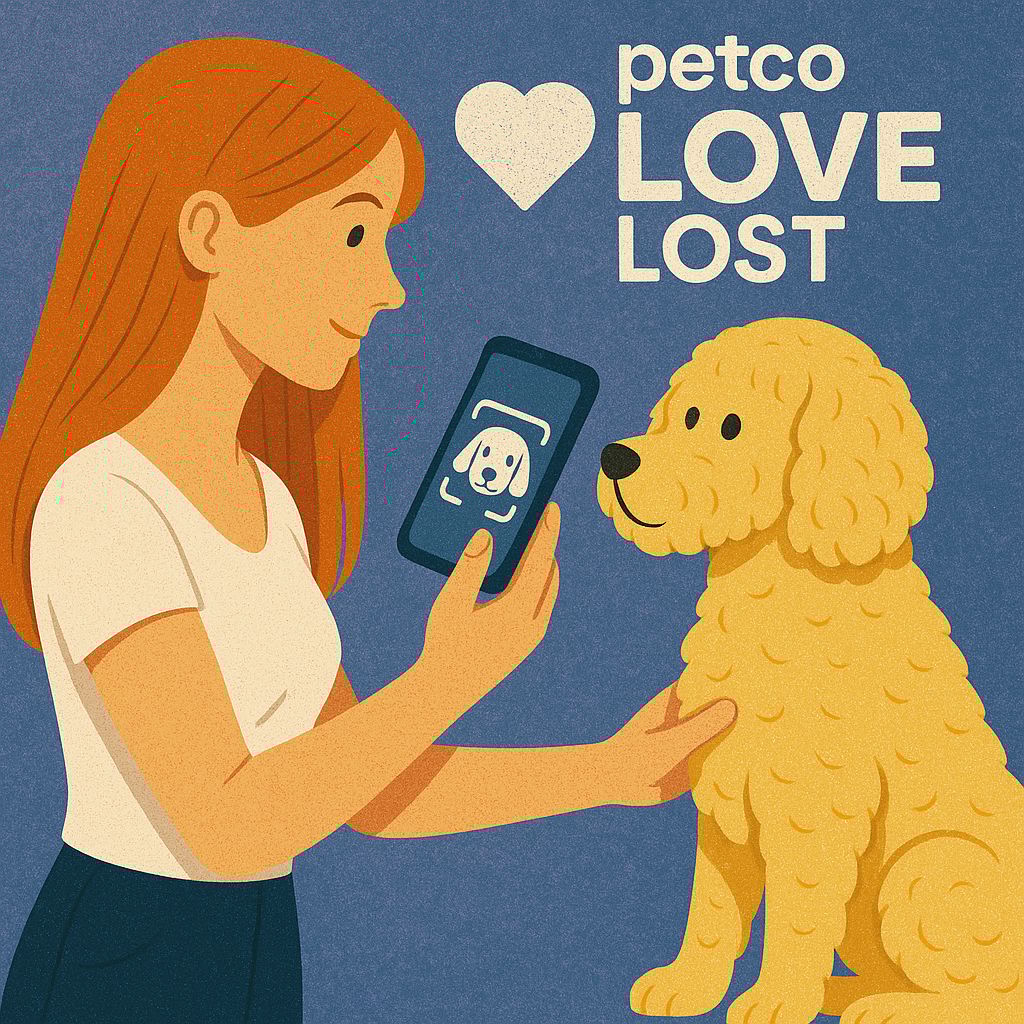
Petco Love Lost is using facial recognition technology to help reunite lost pets with their families. By uploading a photo of a found animal, shelters and individuals can now match pets to a national database of lost pet reports in seconds. The system, trained on thousands of dog and cat faces, uses pattern matching on key visual markers—like nose print, whisker placement, and head shape.
Early data show dramatically reduced shelter hold times and faster reunions. These systems are now available via mobile apps and partner organizations, making them scalable and easy to integrate into rescue and vet clinic workflows. This is AI at its most compassionate.
🧠 Why it matters:
✅ Reduces shelter crowding – Faster reunions mean fewer long-term residents.
✅ Improves outcomes – The sooner a pet is home, the better their health and happiness.
✅ Low-barrier adoption – Makes post-adoption returns more likely if pets are found again.
Join the Conversation:
Would you trust AI to find your lost pet?
Cyborg Tadpoles and the Future of Neurotech
📝 Shelly Fan | June 20, 2025 | Singularity Hub | 🔗 Read More
The Scoop:
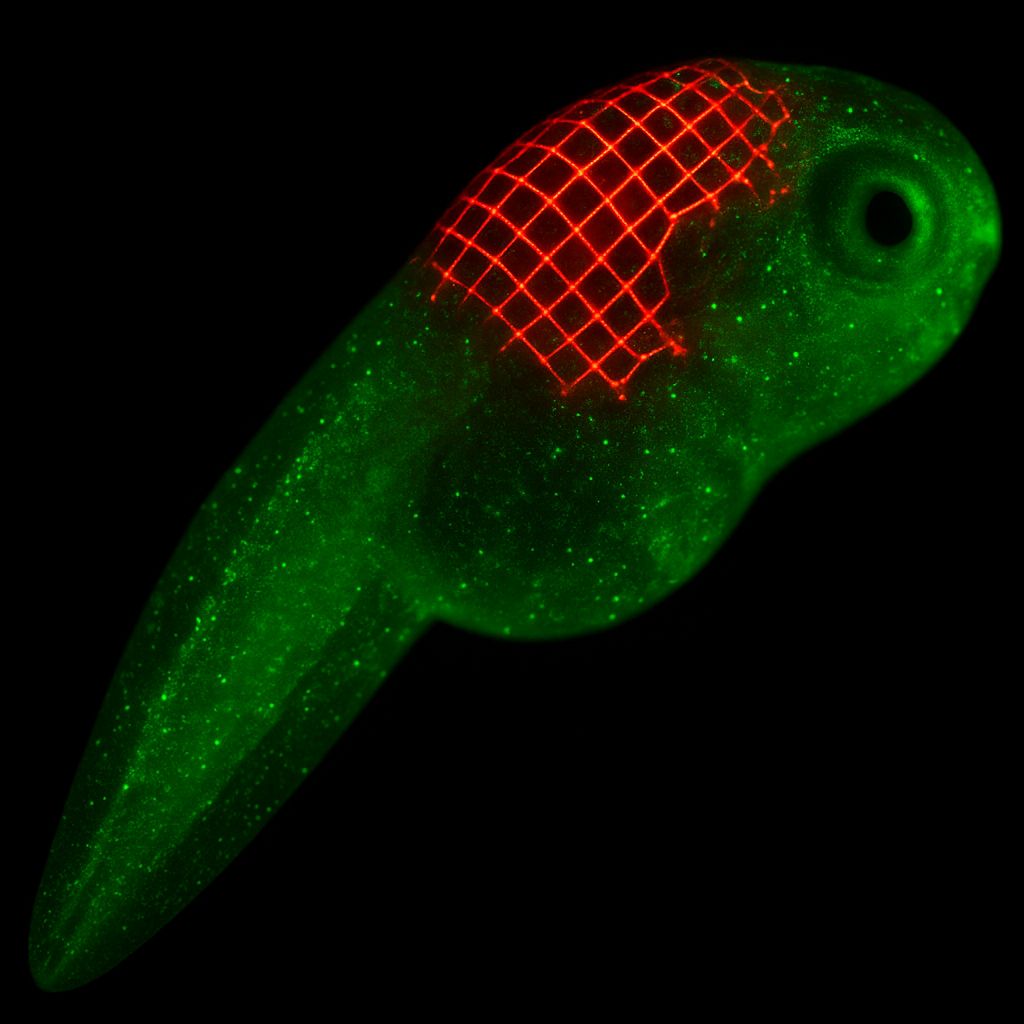
Scientists at Harvard have successfully implanted soft, stretchable neural mesh into developing tadpoles. These “cyborg amphibians” allow researchers to track single-neuron activity as the animals grow—without harming the brain tissue. The implants grow with the tadpoles, capturing continuous electrical signals and allowing new insight into early brain development.
The implications for veterinary neurotech are significant. Similar interfaces could be adapted for seizure monitoring, spinal cord injury rehab, or long-term behavioral studies in companion animals. It’s one of the most promising bridges yet between neuroengineering and animal medicine.
🧠 Why it matters:
✅ Non-invasive interfaces – Better outcomes for both research and recovery.
✅ Veterinary neurocare potential – Could assist with seizures, paralysis, or trauma.
✅ Cross-species data – Helps bridge human and animal neurobiology.
Join the Conversation:
Is this tech ethically acceptable for animals in research—or clinical care?
Bone Cancer Breakthrough in Dogs
📝 Kristen Coppock Crossley | June 20, 2025 | DVM360 | 🔗 Read More
The Scoop:
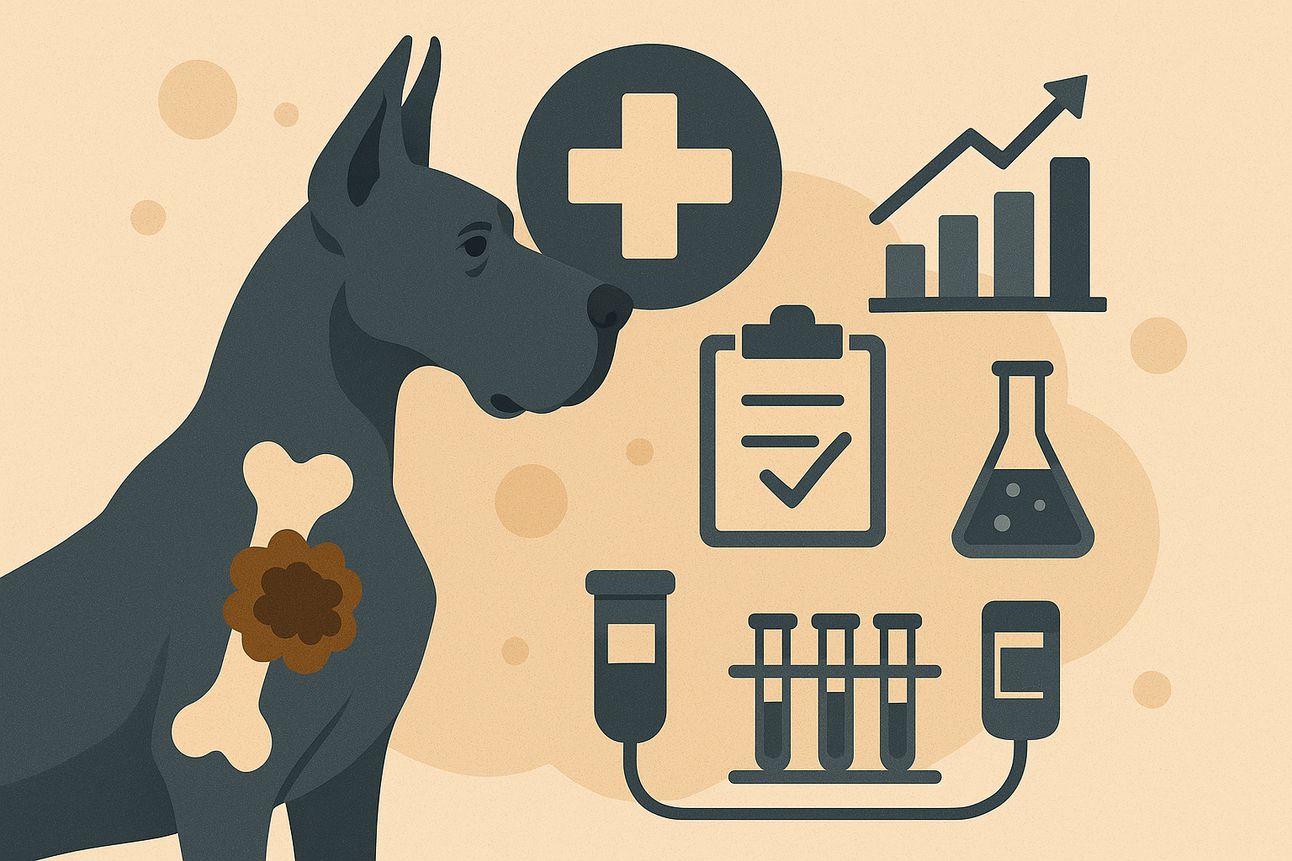
A new autologous immunotherapy developed for canine osteosarcoma is showing impressive survival results. In a recent study presented at ACVIM, dogs receiving this therapy post-chemo saw one-year survival rates jump to 70%—a remarkable improvement over the usual 20–25%. The treatment works by training the immune system to recognize and attack the cancer after chemotherapy weakens it.
This isn’t just a pharma win—it’s also an AI story. Real-time data from bloodwork and imaging are helping vets tailor follow-up care through predictive analytics. It’s a new model for precision veterinary oncology that combines human-grade tech with species-specific care.
🧠 Why it matters:
✅ Improves survival – Real clinical benefit for one of the deadliest canine cancers.
✅ Scalable insights – Could guide similar therapies for rare cancers in other species.
✅ AI synergy – Data models enhance early diagnosis and tailored treatment.
Join the Conversation:
How soon should general practitioners integrate AI-assisted oncology tools?
Integrating AI with Companion Animal Care
📝 M.F. Arshad et al | June 16, 2025 | Research in Veterinary Science | 🔗 Read the full article
The Scoop:
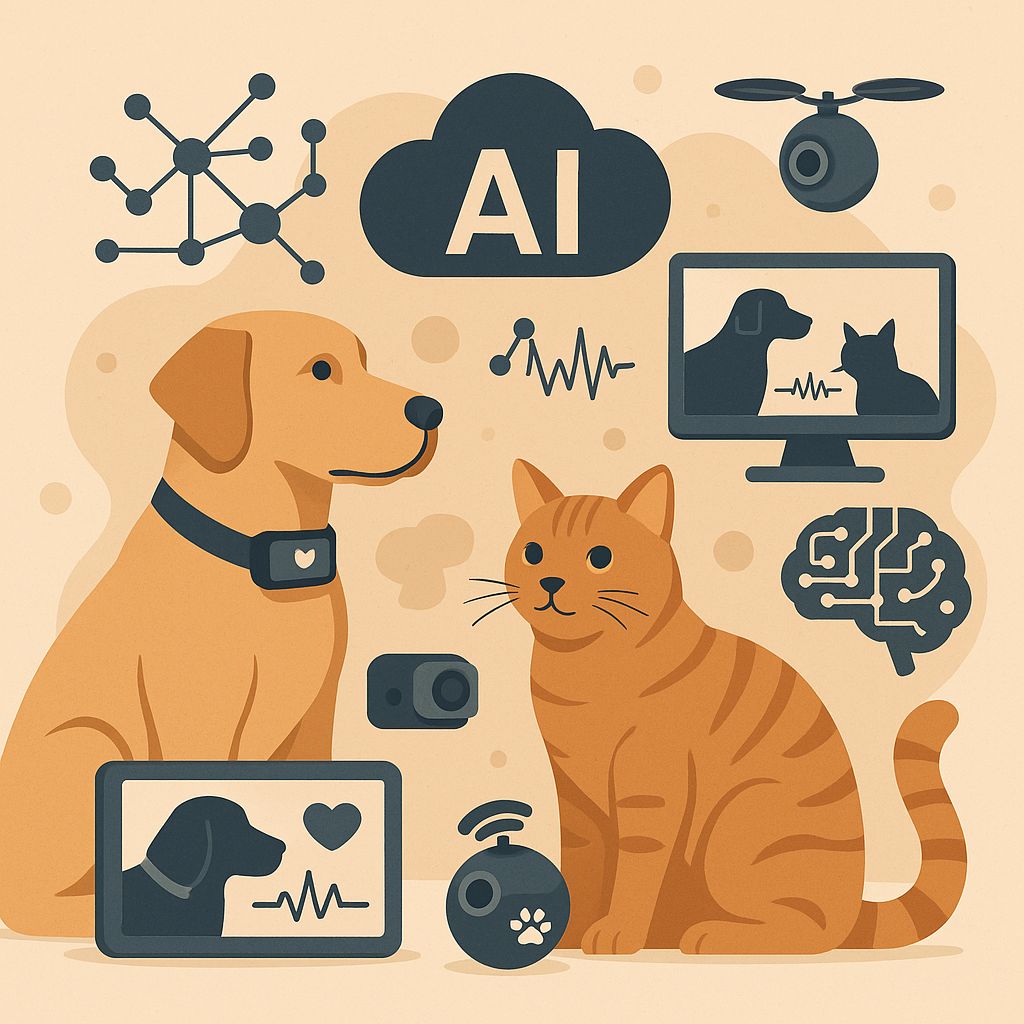
This comprehensive review explores how AI technologies—from machine learning and computer vision to natural language processing—are revolutionizing everyday pet care. The authors highlight applications like automated behavior monitoring (tracking anxiety, restlessness, or seizure patterns), predictive health diagnostics (spotting early signs of chronic diseases or stress), and interactive tools (smart toys that adapt to a pet’s mood or activity). Based on studies in dogs and cats, the findings indicate that AI is not only improving the health and welfare of pets but also empowering owners and veterinarians with precise, data-driven insights.
The review delves into technical challenges—such as ensuring accurate data collection, avoiding algorithm bias, and preserving privacy—and discusses ethical considerations in implementing AI in pets’ lives. Case studies include AI-enabled smart collars for heart monitoring, camera systems that respond to distress sounds, and virtual assistants that collect vocal cues to assess emotional well-being. The authors conclude that while AI integration in pet care is still emerging, it holds great promise for proactive and personalized veterinary medicine.
🧠 Why it matters:
✅ Proactive health monitoring – AI tools can detect early disease signs before symptom onset, enhancing long-term outcomes.
✅ Empowered caregivers & vets – Access to real-time behavioral and health data supports informed decisions and timely interventions.
✅ Foundational ethics – The paper outlines key principles for responsible and beneficial AI deployment in animals.
Join the Conversation:
Would you use ChatGPT in your clinic if it passed the NAVLE?
🙌🏼 Impressive Animals 🐾
Monster Salamander Fossil Rewrites Appalachian History
📝 ScienceDaily | June 17, 2025 🔗 Read More
The Scoop:
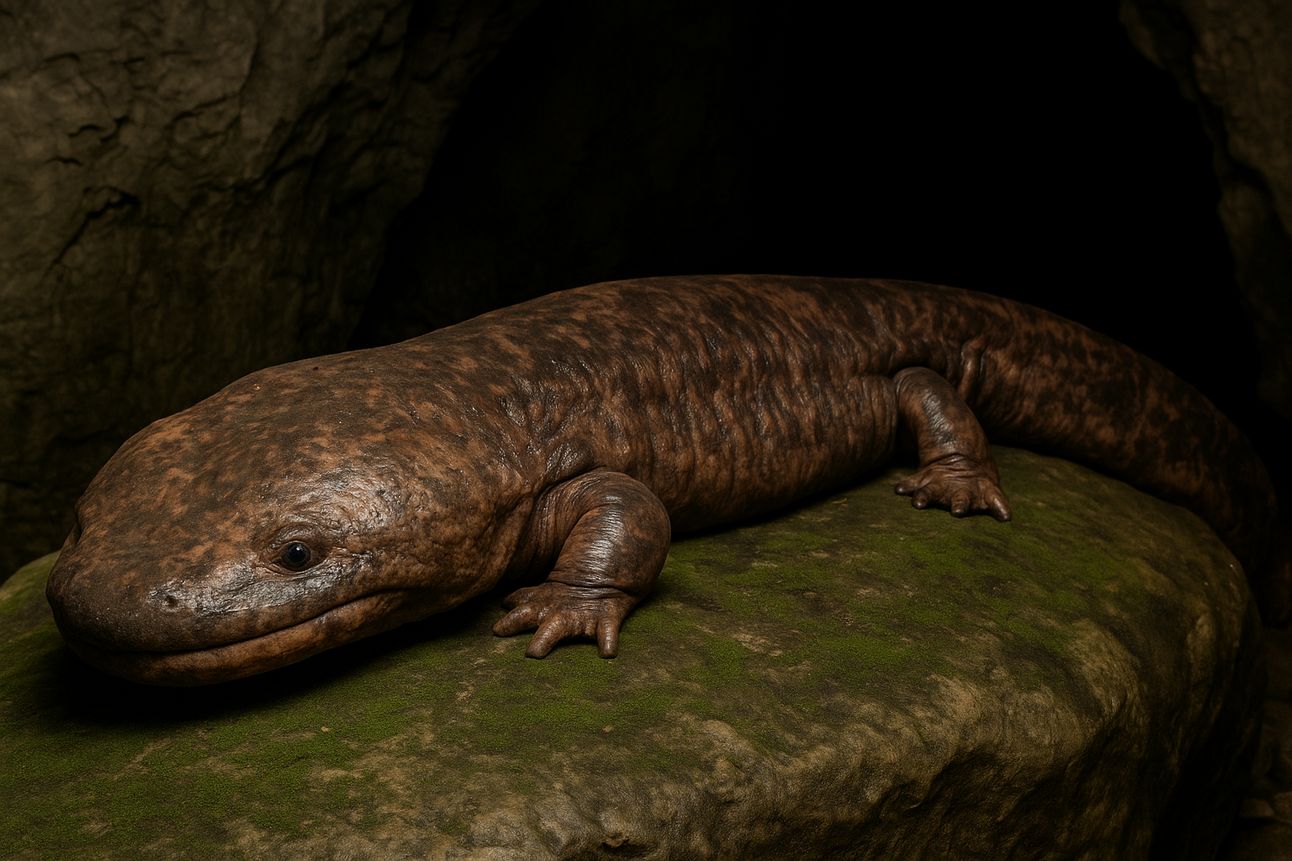
In a surprising fossil discovery out of East Tennessee, scientists have uncovered the remains of a massive, long-extinct salamander species with an impressively strong bite. Named Dynamognathus robertsoni—Greek for “powerful jaw”—this predator measured about 16 inches long and now holds the title as the largest known plethodontid (lungless) salamander, as well as one of the largest terrestrial salamanders in history.
The fossil was unearthed at the Gray Fossil Site, a treasure trove of prehistoric life, and it’s already shaking up what scientists thought they knew about amphibian evolution in North America. Until now, large burrowing salamanders were thought to be restricted to a small region in southern Alabama, like the modern-day Red Hills salamander. But this discovery shows that such creatures once had a much broader range, extending deep into what is now Appalachia.
What makes this find truly remarkable is the potential evolutionary impact of this ancient predator. Researchers believe it may have played a key role in triggering the explosive radiation of smaller stream-dwelling salamanders—like today’s dusky salamanders—by introducing new ecological pressures millions of years ago. Its presence, strength, and specialized burrowing lifestyle may have helped shape the rich diversity of salamander species that make the southern Appalachian region a biodiversity hotspot today.
Even more inspiring: the first specimen was discovered by a dedicated volunteer, Wayne Robertson, who has sifted through more than 50 tons of fossil-bearing sediment at the site over the years. The species was named in his honor—proof that curiosity and persistence can reshape scientific understanding.
🧠 Why it matters:
✅ Evolutionary catalyst – This ancient predator may have driven the rapid diversification of Appalachian salamanders, helping create one of the world’s richest amphibian ecosystems.
✅ Range redefined – The fossil proves that large burrowing salamanders once thrived far beyond Alabama, revising long-held assumptions about species distribution.
✅ Citizen science wins – A volunteer’s discovery led to a major scientific breakthrough, showcasing the power of public involvement in paleontology.
Join the Conversation:
What fossil discovery—or extinct animal—do you wish you could have seen alive?
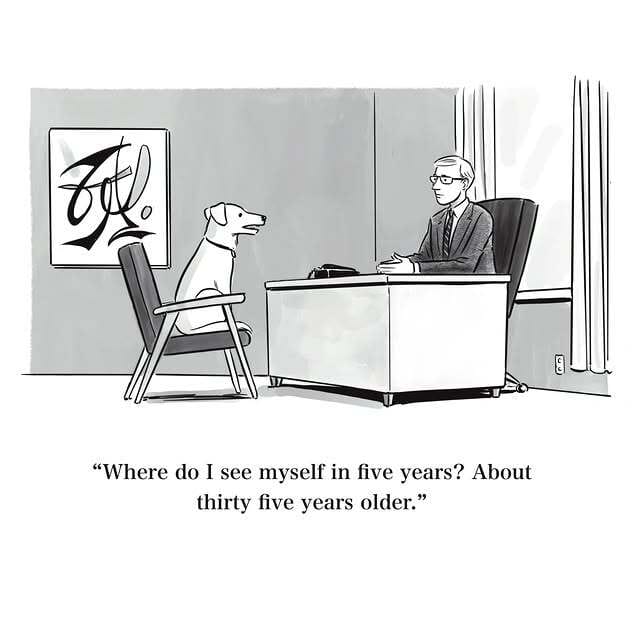
💊℞: Dose of Humor


📣 Support Vet to the Future!
Love this newsletter? Buy me a coffee and support my work! ☕ ko-fi.com/rossimiano
📢 Want to sponsor Vet to the Future? Let’s talk!
You're still here? Awesome. Since you're clearly a newsletter connoisseur, here's another one I think you'll appreciate.
|

🎬 Closing Thoughts
From lost pets reuniting with their families to ancient salamanders reshaping evolutionary maps, this issue celebrates the ways we reconnect across distance, time, and species. Technology—AI, implants, apps—serves as the conduit. But the meaning, the why, still comes from us.
It’s a reminder that innovation is at its best when it strengthens bonds: between doctors and patients, animals and caregivers, past and present. Whether you’re watching neurons fire in a tadpole or watching your dog’s face scan into a lost-pet app, you’re part of a deeper connection.
Cheers,
Ross
📩 Want to submit a story? Let’s connect → [email protected]!
Reply