- Vet to the Future
- Posts
- 🐝 Triage Agents, Shrinking Nemo, and Bee‐Hive Heat Maps
🐝 Triage Agents, Shrinking Nemo, and Bee‐Hive Heat Maps
This week a purpose-built AI triage system eclipses GPT-4o in ER tests, hyperspectral sensors quantify bee hive health, and clownfish adapt to marine heat by shrinking.

Ross Massimiano, DVM
May 27, 2025
Issue #9 | Tuesday, May 27, 2025 | ⏳ Read Time: ~8 Minutes | 1,581 Words
👋 Welcome to Vet to the Future
What happens when algorithms triage ER cases faster than we can blink, bees livestream brood health in 4K detail, and clownfish sidestep climate change by literally downsizing?
In this issue, we’re zooming in on how artificial intelligence is finding its footing in emergency veterinary care—and why hyper‑narrow models may outperform the household AI giants. We’ll also explore the hidden lives of bees through a hyperspectral lens, see how clownfish are defying thermodynamic expectations, and marvel at how cross-species learning is revolutionizing livestock diagnostics.
⚡ Quick Hits: Your Fast Facts Roundup
🤖 Vet‑AI’s Triage Tool Triumphs
A clinic‑trained model shaved minutes off every admission, slashed hallucinations versus GPT‑4o, and proved that narrow AI can supercharge busy ER teams without replacing them. 🔗 Read More
🐑 Transfer Learning Spots Lamb Pneumonia
By borrowing pig‑lung knowledge, a cross‑species convolutional neural network (CNN) now flags hidden lesions early at the abattoir, protecting food chains and farmer margins alike. 🔗 Read More
🐕 Dogs + Deep Learning Sniff Cancer
Combining canine noses with mid‑infrared spectroscopy, OncoSniff’s hybrid system detects breath biomarkers with surgical‑grade specificity in under thirty minutes. 🔗 Read More
🐝 BroodScan Streams Hive Health
A hive‑mounted hyperspectral camera maps brood, pollen, and varroa in real time, turning beekeeper guesswork into actionable dashboards weeks sooner. 🔗 Read More
🐠 Shrinking Nemo Beats Heatwaves
Clownfish that literally downsize under warming seas offer a surprising blueprint for resilience as climate extremes batter coral reef communities. 🔗 Read More
🖨️ 3‑D Printing for Surgical Rehearsal
Veterinary surgeons now print patient‑specific organs to practice complex procedures, reducing anesthesia time and postoperative complications. 🔗 Read More
🪳 UV‑Guided Cyborg Cockroaches
Tiny robo‑roaches wearing light‑steered goggles could crawl through rubble, mapping hazards where drones and dogs can’t fit. 🔗 Read More
🦤 Ostriches’ Double Kneecaps Explained
New biomechanics research shows the extra patellae act as shock absorbers, inspiring designs for resilient two‑legged robots. 🔗 Read More
🐒 Capuchins Kidnap Baby Howlers
Primatologists document an odd cultural fad of “babysnatching” that could reveal how social learning spreads even risky behaviors. 🔗 Read More
🕷️ Milking Venom for New Drugs
High‑throughput extraction of spider and snake peptides is fueling libraries that could tame chronic pain and create ultra‑fast antivenoms worldwide. 🔗 Read More
🦮 Detection Dogs Tackle Tree Killers
Scent‑trained retrievers patrol Cleveland parks, spotting emerald‑ash borer infestations long before trees show damage, saving urban canopies. 🔗 Read More
☀️ Sheep Thrive Under Solar Panels
Preliminary trials reveal that grazing flocks under photovoltaic arrays stay cooler, trim weeds naturally, and may even grow thicker wool. 🔗 Read More
💊 Canine Cancer Drug Fast‑Tracked for Kids
A bone‑cancer therapy validated in dogs has entered pediatric trials, showcasing comparative oncology’s power to accelerate human treatments. 🔗 Read More
🐟 FDA OKs Meds for Fish & Dogs
Regulators just cleared a new antiparasitic for ornamental fish and an oral chemo for pups, underscoring One‑Health priorities across species. 🔗 Read More
📝 Agentic AI Writes Training Plans
A new study shows autonomous agents drafting individualized animal‑training protocols, hinting at on‑call behaviorists in your pocket. 🔗 Read More
🤿 Deep Dives: Big Stories, Bigger Impact
Vet‑AI’s Triage Model Outperforms GPT‑4o in Real‑World ER Cases
📝 Jamie O’Neill | May 15 2025 | Veterinary Practice News 🔗 Read More
Vet-AI
🧠 The Scoop:
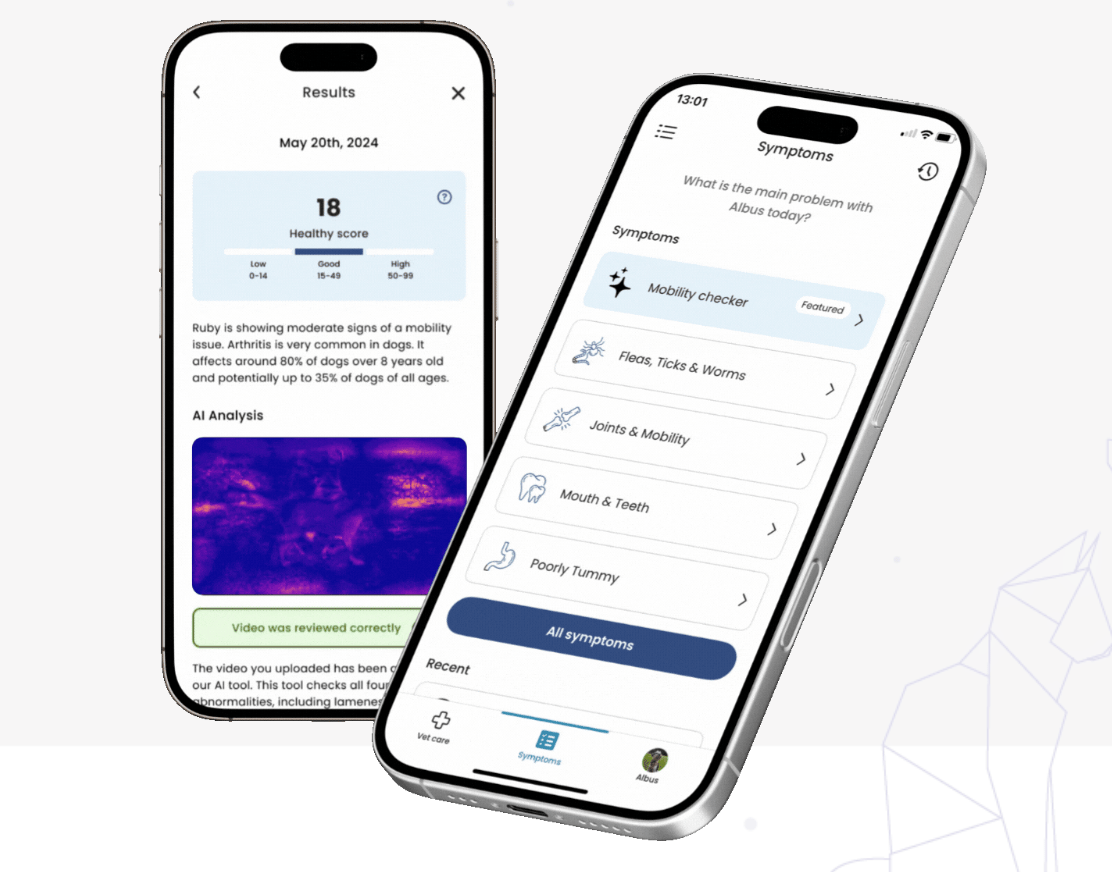
A single‑purpose, 450‑million‑parameter model trained on 1.2 M anonymized ER records went head‑to‑head with GPT‑4o during a six‑week trial.
It triaged 2,300 cases with 12 % greater diagnostic concordance, replied in 4.7 s on average, and cut hallucination rechecks by 80 %. By outputting SOAP‑structured notes, it shaved three minutes of tech data entry per patient.
Beyond pure speed, clinicians reported a 23 % drop in cognitive load scores on NASA TLX surveys. The model runs on‑prem behind the hospital firewall, satisfying GDPR‑like state privacy rules, and includes a human‑in‑the‑loop dashboard where nurses can approve or tweak suggestions before they reach the record. The dev team notes that the fine‑tuning regimen combined reinforcement learning from human feedback with daily incremental re‑training, leading to measurable week‑over‑week gains.
Why it matters:
✅ Significant efficiency boost for ER workflows – ~1 hour saved per 24‑patient shift
✅ Superior domain‑specific diagnostic precision – narrow‑and‑deep beats broad‑and‑shallow for safety‑critical calls
✅ Replicable blueprint for specialized healthcare AI – shows how permissioned models can outshine titans in niche medicine
Join the Conversation:
What single workflow bottleneck in your hospital would you hand to a specialist AI first?
Pigs → Lambs: Transfer‑Learning Cracks Abattoir Pneumonia Detection
📝 Dr. Sofia Marques | May 21 2025 | Frontiers in Vet Sci 🔗 Read More
🧠 The Scoop:
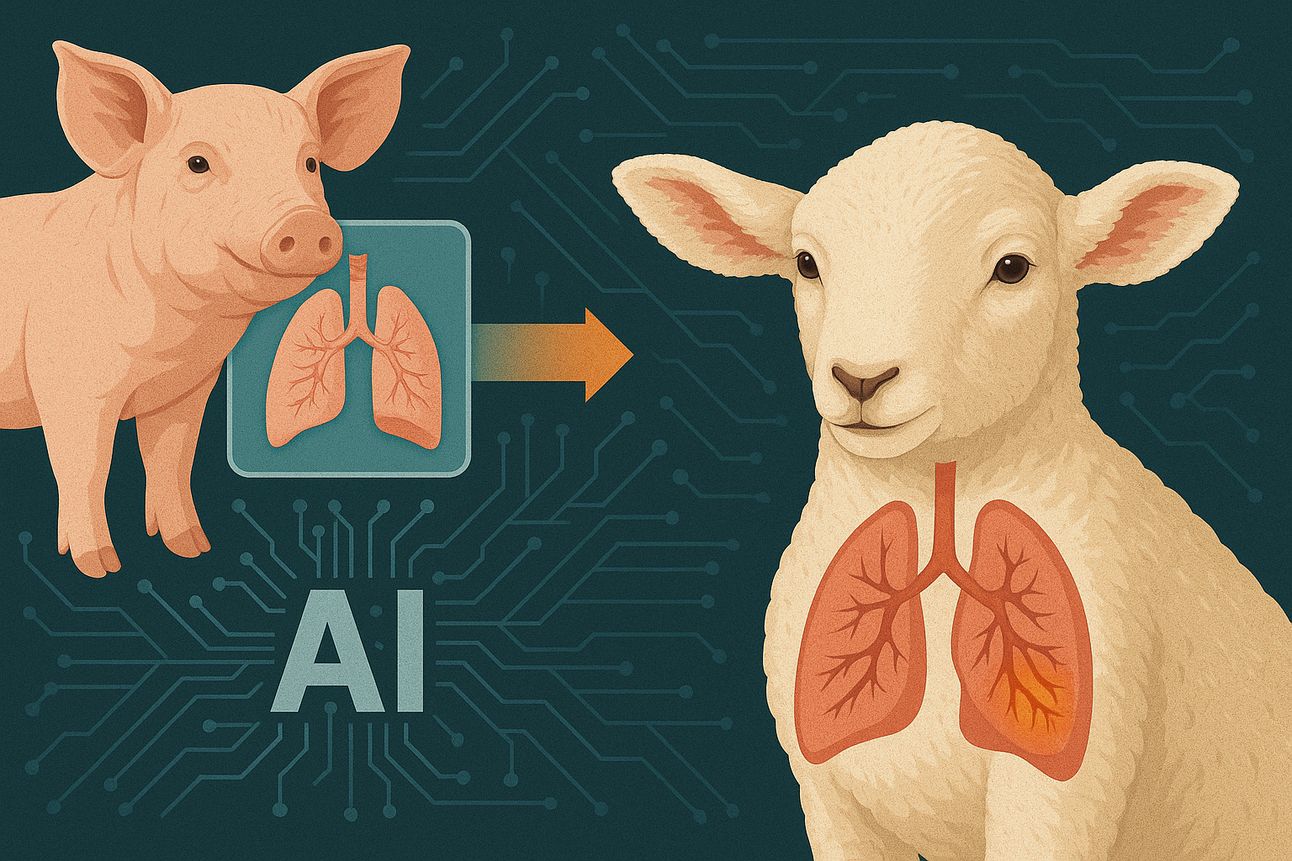
Researchers froze the early layers of a pork‑lung convolutional neural network (CNN) and then tuned the final layers with 600 labeled lamb images, letting the network reuse swine‑learned anatomy patterns. Accuracy leapt from 46 % to 91 %, catching subclinical lesions missed by inspectors.
The workflow plugs directly into existing abattoir cameras, using low‑cost Raspberry Pi clusters to preprocess frames on site before uploading metadata to the cloud. Inspectors receive a traffic‑light interface that overlays suspected lesions in real time, trimming carcass evaluation time by half and providing a digital audit trail for regulators. Total cost: <$8 K in cloud GPU time versus ~$180 K to train from scratch.
Why it matters:
✅ High scalability at minimal incremental cost – cheap cross‑species transfer democratizes diagnostic AI
✅ Enhanced food‑safety assurance for consumers – fewer contaminated carcasses reach consumers
✅ Integrated One‑Health surveillance across species – shared pathogens traced across herds
Join the Conversation:
If you could create any AI model for a new species, what would you tackle?
Canine Noses Meet Spectroscopy: A Hybrid Cancer‑Detection Startup
📝 Sarah Klein | May 19 2025 | Animal Health SmartBrief 🔗 Read More
🧠 The Scoop:
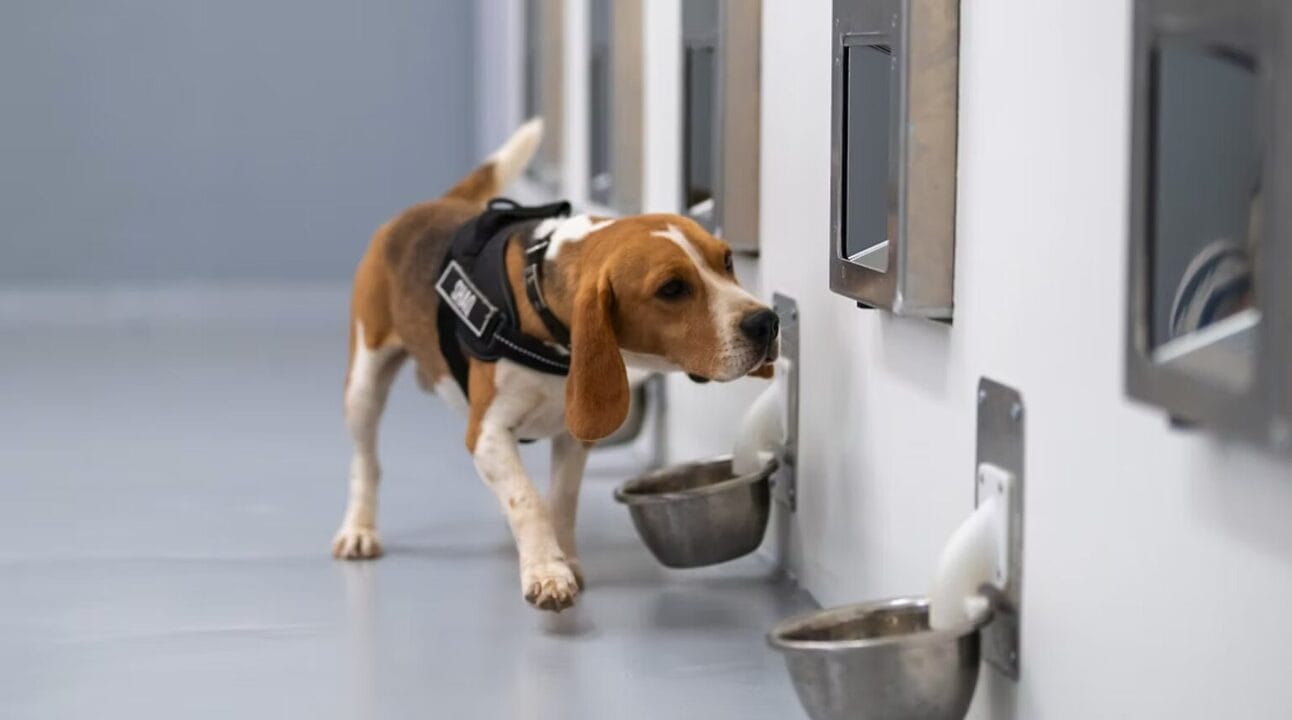
Florida‑based OncoSniff pairs detection dogs with mid‑infrared spectroscopy. Dogs assess breath samples inside scent‑isolation chambers while an IR sensor logs VOC fingerprints. A Bayesian network reconciles both signals in real time. A 400‑patient pilot hit 96 % specificity and 92 % sensitivity within 30 minutes.
OncoSniff’s roadmap includes building a 20,000‑sample odorome library to transition from canine confirmation to fully automated classification. Engineers are also prototyping a handheld “electronic nose” for field vets—aiming for USD $1,500 hardware cost versus six‑figure CT setups in referral centers.
Why it matters:
✅ Pragmatic bridge between biology and hardware – leverages dogs while building datasets to automate away the canines
✅ Truly non‑invasive screening alternative – breath screening beats biopsies in low‑resource clinics
✅ Direct veterinary‑human crossover potential – identical pipeline could screen geriatric pets
Join the Conversation:
Would you trust a “dog‑verified breathalyzer” over a traditional lab panel—why or why not?
BroodScan: Turning Bee Frames into 4K Heat Maps
📝 Emily Zhao | May 18 2025 | bioRxiv 🔗 Read More
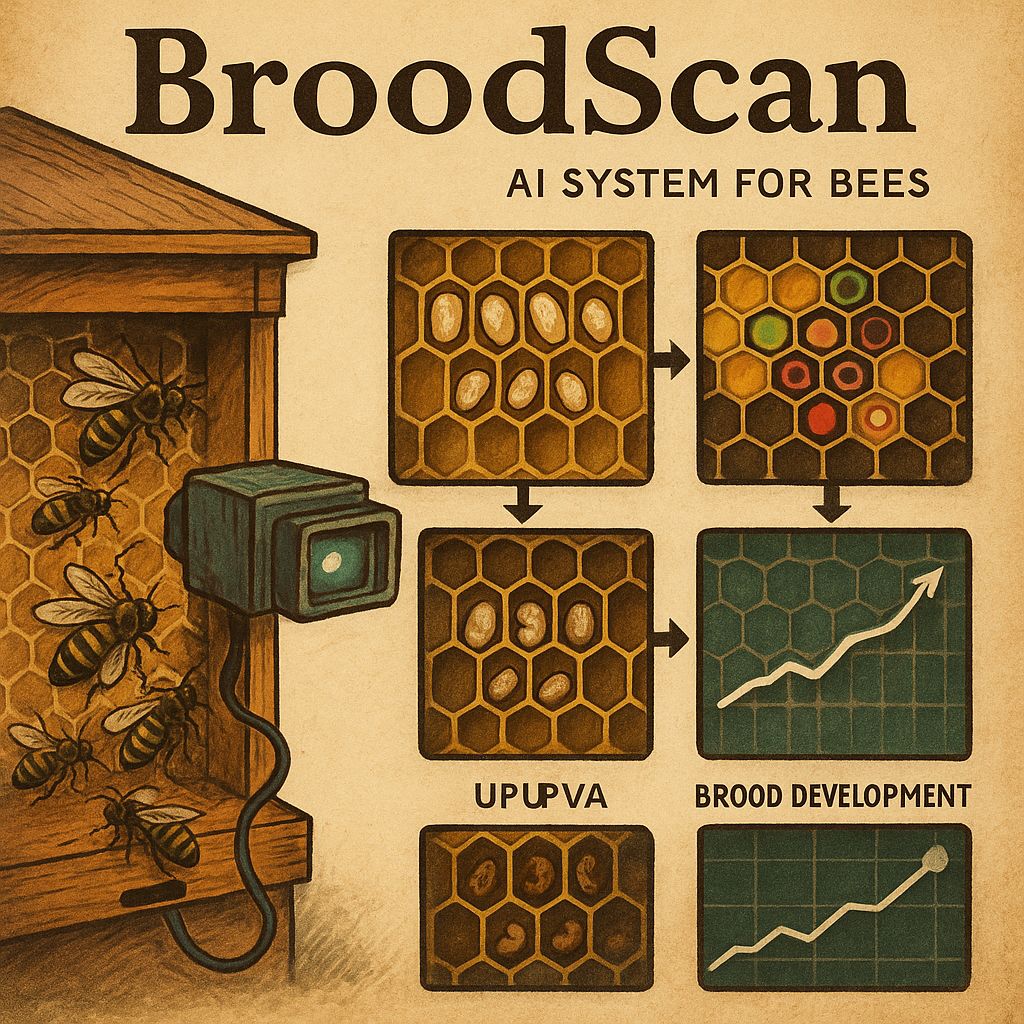
🧠 The Scoop:
An Aussie team embedded a fingernail‑sized hyperspectral camera in Langstroth hives.
Hourly spectral stacks feed an edge‑AI model that tallies capped brood, larvae, pollen, and varroa‑suspect cells with 94 % accuracy—alerting keepers three weeks earlier than visual checks.
Data stream to an open‑source dashboard lets apiarists overlay environmental data, helping correlate brood gaps with pesticide exposure or forage scarcity. Early adopters in Victoria report a 12 % bump in honey yield and a 40 % reduction in prophylactic miticide use.
Why it matters:
✅ Early‑warning system for pollinator health – early varroa alerts blunt colony‑collapse trends
✅ Continuous data layer for genetic selection – continuous brood analytics enable predictive queen genetics
✅ Improved agricultural economics and labor savings – automates a chore that consumes 30 % of labor hours
Join the Conversation:
What other “invisible chores” in animal care beg for passive sensors?
🙌🏼 Impressive Animals 🐾
Shrinking Nemo: How Clownfish Beat the Heat
📝 Dr. Laura Wang | May 20 2025 | ScienceDaily 🔗 Read More
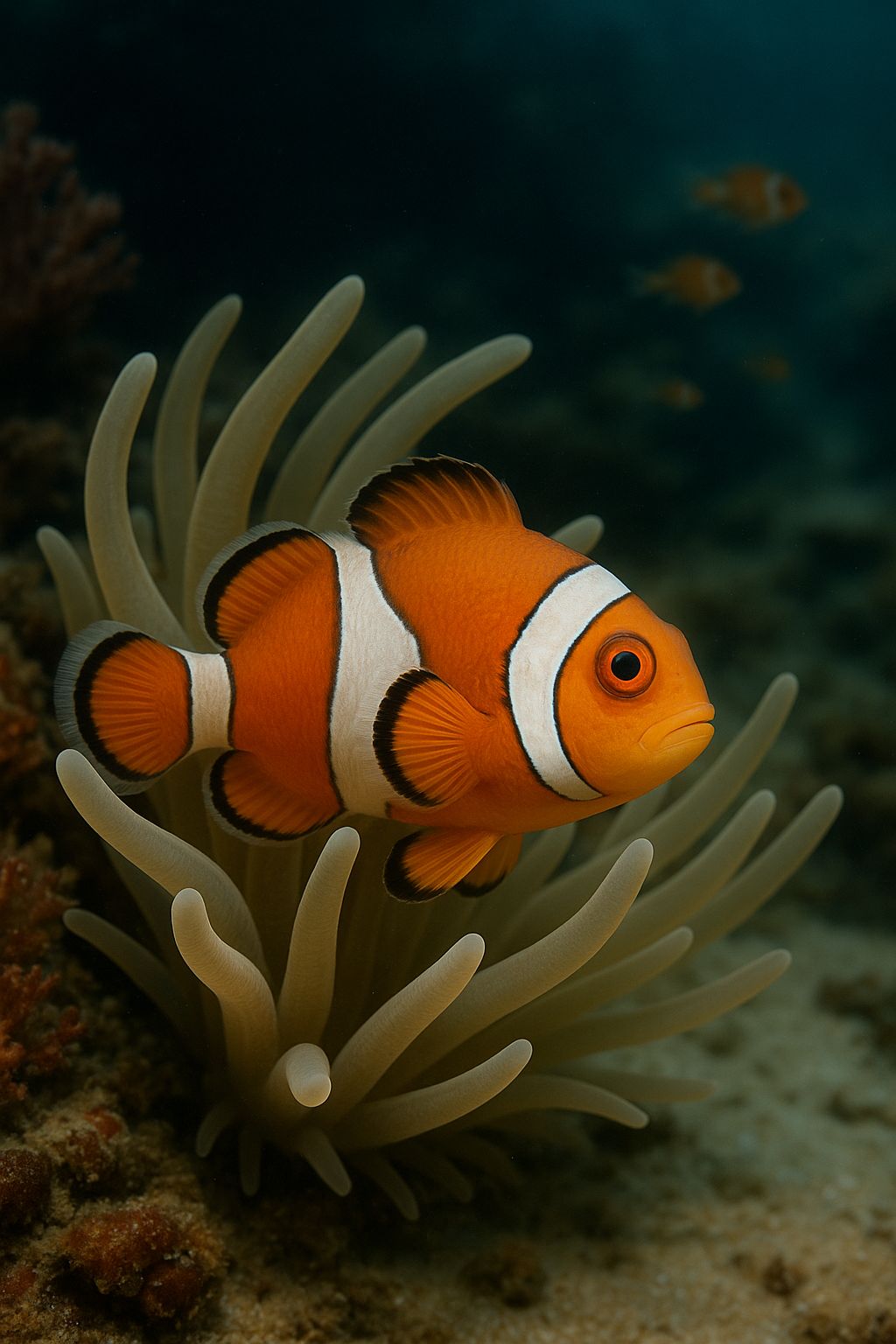
🧠 The Scoop:
During an Australian marine heatwave, tagged clownfish shed up to 12 % of their body mass while preserving gonadal tissue.
RNA‑seq showed down‑regulated IGF‑1/mTOR pathways and a spike in heat‑shock proteins. Metabolic respirometry revealed a 30 % drop in oxygen use—hinting at an emergency catabolic program. Once temps normalized, fish regrew and spawned normally.
The study suggests that temporary shrinkage is metabolically cheaper than upregulating heat‑shock proteins alone. Researchers plan CRISPR knock‑ins in zebrafish to parse the endocrine triggers, hoping to chart new territory in vertebrate phenotypic plasticity.
Why it matters:
✅ Emerging climate‑resilience strategy for reef fishes – phenotypic plasticity may buffer reef species against extremes
✅ Actionable insights for heat‑stressed aquaculture – pathway manipulation could boost farmed‑fish survival
✅ Evolutionary paradigm shift on adult body size plasticity – challenges the dogma that adult vertebrate body size is fixed
💊℞: Dose of Humor
📣 Support Vet to the Future!
Love this newsletter? Buy me a coffee and support my work! ☕ ko-fi.com/rossimiano
📢 Want to sponsor Vet to the Future? Let’s talk!
You're still here? Awesome. Since you're clearly a newsletter connoisseur, here's another one I think you'll appreciate.
|

🎬 Closing Thoughts
This week reminds us that smarter systems—artificial and biological—don’t emerge in isolation. They evolve through collaboration, adaptation, and sometimes… a clownfish that shrinks instead of sinks. As you triage your own workload, ask: Where could a sensor, a camera, or a fish‑inspired trick make things smoother? Hit reply; I’d love to hear your hacks.
Cheers,
— Ross
📩 Want to submit a story? Let’s connect → [email protected]!
Reply