- Vet to the Future
- Posts
- 🤖 When Machines Learn to Feel
🤖 When Machines Learn to Feel
From AI that senses pain to robots that learn by watching — empathy is becoming the next frontier of intelligence.

Ross Massimiano, DVM
October 15, 2025
Issue #25 | Wednesday, October 15, 2025 | ⏳ Read Time: ~8 Minutes
👋 Welcome to Vet to the Future
AI is no longer satisfied with calculation — it’s studying sensation. From PainSeeker reading emotion in rodents to humanoid robots trained by observation, the frontier of technology is empathy. Even in clinical trials, algorithms now judge safety and trust faster than humans once could.
Meanwhile, a fossilized swarm of insects whispers across 100 million years, reminding us that feeling — not thinking — may be the ultimate adaptation.
⚡ Quick Hits: Your Fast Facts Roundup
🧠 AI speeds up clinical trial approvals
Regulators in the UK say AI tools are trimming review times and optimizing design. 🔗 Read More
🦾 The Model T of robots? – “Figure 03” marks a new era of affordable, mass-produced humanoids. 🔗 Read More
🐀 PainSeeker decodes rodent pain by facial expression – Deep learning reads whisker and grimace patterns. 🔗 Read More
🦟 Silent killer creeping into U.S. kennels – Chagas disease is spreading northward among pets and people. 🔗 Read More
🪲 Ancient insect time capsule unearthed – A 112-million-year-old amber cache reveals prehistoric pollinators. 🔗 Read More
💉 Next-gen vaccine stops 88% of aggressive cancers – Nanoparticle design delivers a broad T-cell response. 🔗 Read More
🐔 Laser drones defend Japanese chickens
Automated drones fire harmless beams to scare off predators and protect poultry. 🔗 Read More
🐶 Can dogs get hooked on toys? – Some pets show behavioral addiction loops akin to humans. 🔗 Read More
🧬 AI passes U.S. medical licensing exam – An AI council collaboratively aced the USMLE. 🔗 Read More
🧬 Naked mole-rat DNA repair secrets – Rodent enzymes could extend human longevity. 🔗 Read More
💊 First screwworm drug approved – FDA greenlights the first treatment for a devastating parasite. 🔗 Read More
💧 Dogs prefer scented water bowls? – Olfactory enrichment could improve hydration and well-being. 🔗 Read More
🚀 Hypersonic supply drops from orbit – Space logistics for disaster relief gains momentum. 🔗 Read More
🧠 Nanodrug clears Alzheimer’s proteins in mice – Therapy rapidly flushes toxic plaques. 🔗 Read More
🌍 Jane Goodall remembered – The beloved primatologist and conservation icon passes at 91. 🔗 Read More
🤿 Deep Dives: Big Stories, Bigger Impact
🧠 AI Accelerates Drug Approval
📝 By Digital Health Staff | October 7, 2025 | Digital Health 🔗 Read More

The Scoop:
The UK’s Medicines and Healthcare Regulatory Agency (MHRA) has reported a 30% reduction in clinical-trial review times thanks to AI tools that model patient risk, predict outcomes, and optimize trial design. Machine learning systems are helping researchers flag safety issues and identify ideal participants in days rather than months, compressing a process that traditionally spanned years.
For veterinary medicine, the same approach could transform how novel vaccines and therapies reach practice. Predictive AI can model species variability in drug metabolism or simulate rare events like adverse reactions before they occur. The future of approval may depend less on paperwork and more on pattern recognition.
🧠 Why it matters:
✅ Faster treatments – Shrinks regulatory timelines from years to months.
✅ Smarter data – Predicts failures and side effects before human trials.
✅ Cross-species potential – Veterinary drug development can follow suit.
💬 Join the Conversation: Could AI help animal health agencies bring lifesaving drugs to market faster?
🤖 Figure 03: Humanoids Hit the Mainstream 🎥
📝 By Nick Lavery | October 9, 2025 | New Atlas 🔗 Read More
The Scoop:
Robotics company Figure AI unveiled its third-generation humanoid, Figure 03, calling it the “Model T moment” for robotics. The video demo shows the robot walking autonomously, folding laundry, watering plants, and engaging in natural conversation. At its core is Helix, an AI architecture that links vision, language, and motion, allowing the robot to learn new tasks directly from watching videos of humans.
Unlike industrial robots, Figure 03 was designed for shared human spaces — homes, hospitals, and eventually clinics. Each hand has a camera and touch sensors capable of detecting as little as three grams of pressure. Its soft exterior and wireless charging base hint at a future where robots can coexist with living beings safely and intuitively. For veterinary medicine, the same fine-motor capability could translate to assistive robots that support surgery, rehab, or animal handling.
🧠 Why it matters:
✅ Human-safe interaction – Soft design and tactile sensors enable delicate movement near animals.
✅ Learning from observation – Expands robot adaptability beyond coded tasks.
✅ Veterinary parallel – Foreshadows assistive tech for clinics and research.
💬 Join the Conversation:
Would you trust a humanoid to help restrain a patient—or fold towels in the treatment area?
🐀 PainSeeker: AI That Reads Rat Faces
📝 By Xiao Li et al. | October 10, 2025 | Frontiers in Veterinary Science 🔗 Read More
The Scoop:
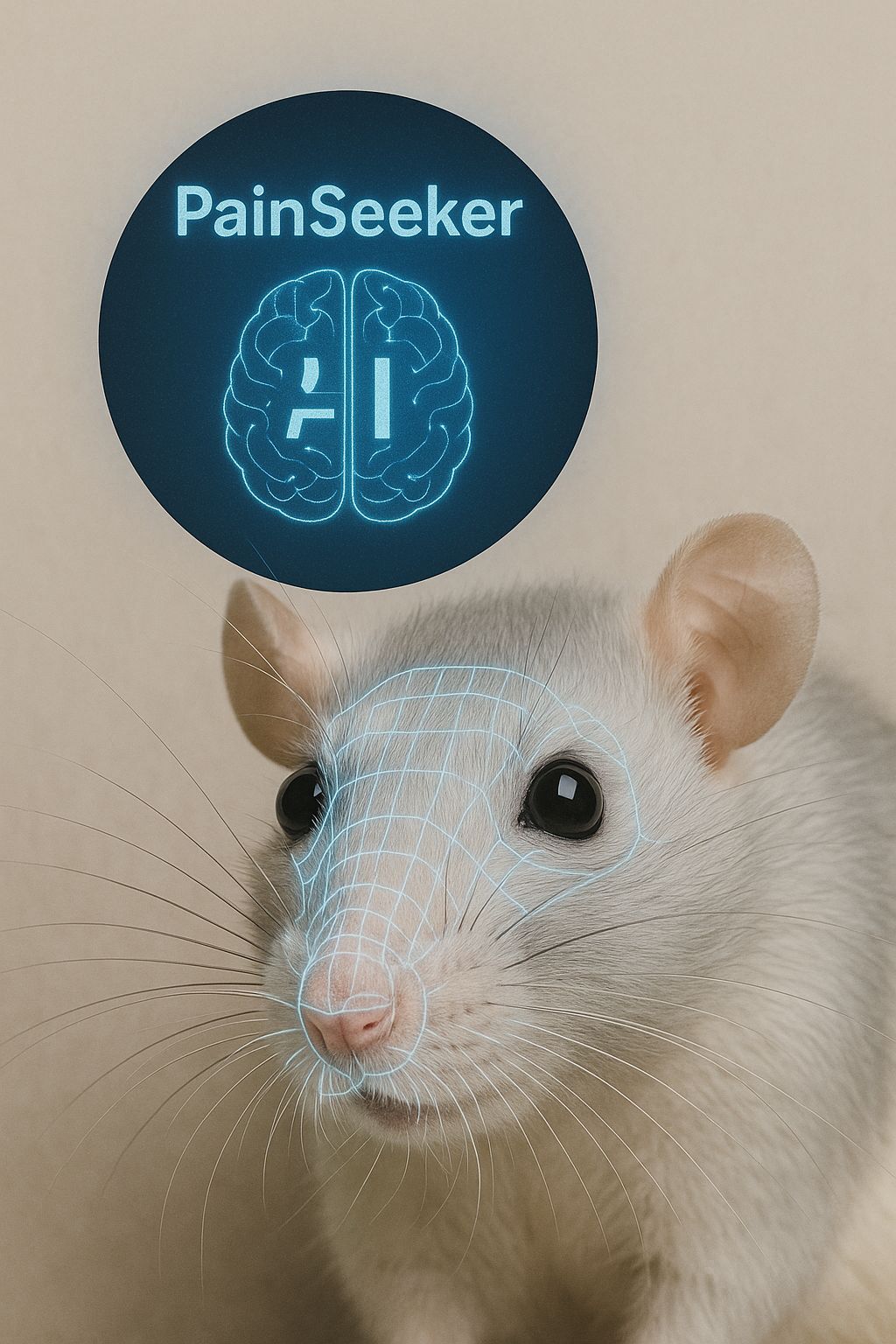
Researchers developed a neural network called PainSeeker to detect pain in rats by analyzing facial expressions and posture in real time. The system can evaluate whisker positions, eye squints, and ear angles from multiple camera angles without human scoring. Its creators believe AI will replace the subjective “grimace scales” used for decades in lab settings.
Beyond research, this technology could reshape animal welfare monitoring in veterinary hospitals. By training similar models on cats or dogs, clinics might soon track pain levels continuously, alerting teams to subtle distress before visible signs appear. AI-assisted empathy could become a powerful clinical tool.
🧠 Why it matters:
✅ Objective pain scoring – Removes observer bias.
✅ Animal welfare boost – Detects suffering sooner.
✅ Clinical potential – Leads to real-time pain tracking for pets.
💬 Join the Conversation:
Should we trust AI to read emotion — or keep that a human art?
🦟 Chagas Disease Expands North
📝 By Michael Irving | October 11, 2025 | New Atlas 🔗 Read More
The Scoop:
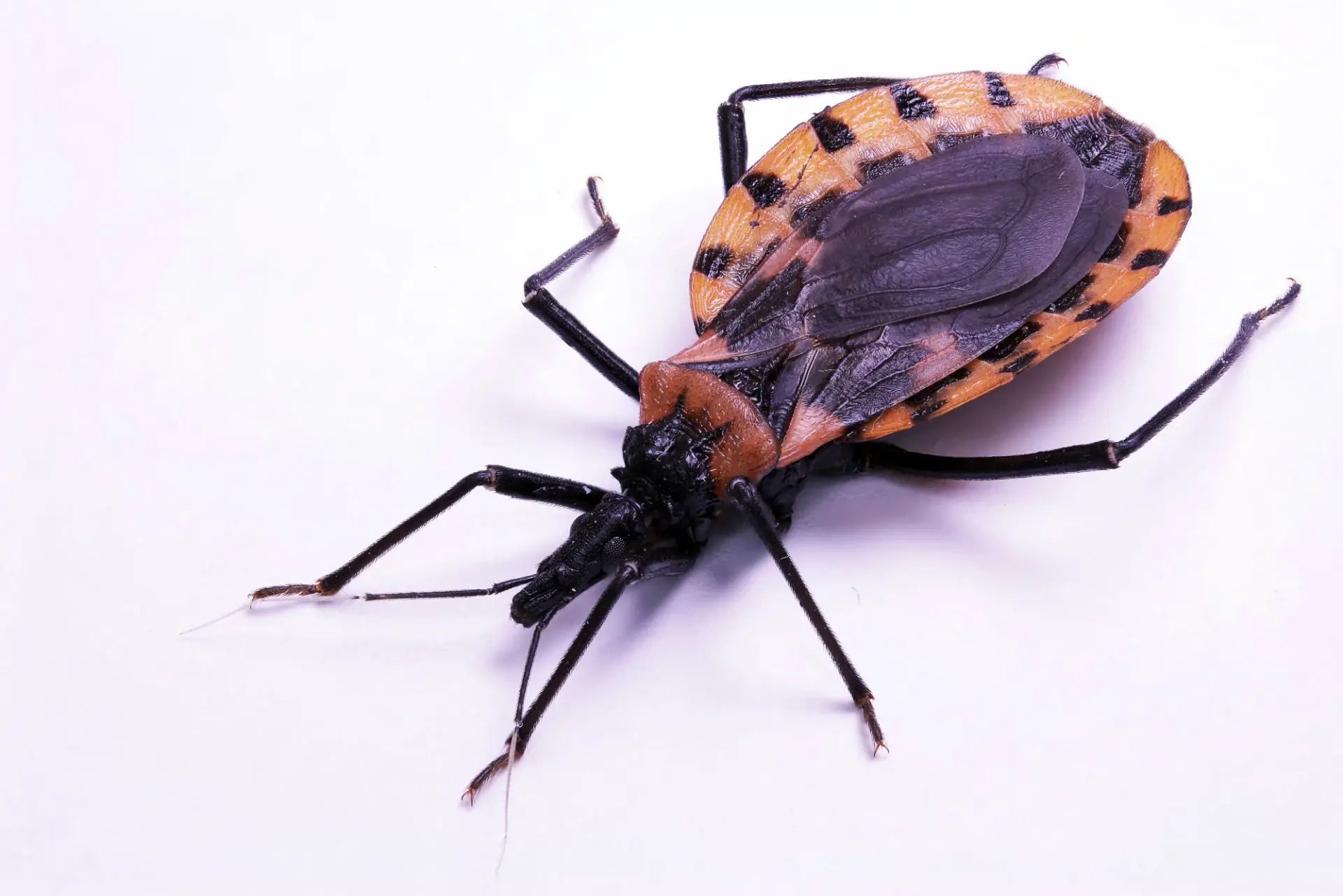
Once confined to Central and South America, the parasite Trypanosoma cruzi is now infecting pets and people in southern U.S. states. Transmitted by “kissing bugs,” Chagas causes chronic heart disease that can mirror canine dilated cardiomyopathy. Veterinary teams are reporting cases that connect animal and human health in new ways.
Warming climates and pet mobility are expanding the range of the vector. This convergence is a test of the One Health framework — how well public and veterinary systems share data and coordinate responses. Clinics may soon serve as sentinels for emerging zoonotic diseases.
🧠 Why it matters:
✅ Zoonotic warning – Parasite is quietly crossing species lines.
✅ Veterinary sentinels – Early detection can protect humans.
✅ One Health integration – Encourages joint surveillance systems.
💬 Join the Conversation:
Should routine heartworm testing include Chagas screening in endemic states?
🙌🏼 Impressive Animals 🐾
🪲 Ancient Insects in Amber
📝 By ScienceDaily Staff | October 11, 2025 | ScienceDaily 🔗 Read More

The Scoop:
A 112-million-year-old amber deposit found in Spain encased hundreds of tiny insects in three-dimensional perfection — a biological time capsule from the Cretaceous period. The find offers rare insight into how early pollinators co-evolved with flowering plants at a crucial moment in Earth’s history.
Researchers used synchrotron imaging to reveal microscopic structures like wings, compound eyes, and mouthparts — so well preserved that new species were identified. These discoveries may help scientists understand how insect diversity responds to climate change today.
🧠 Why it matters:
✅ Evolutionary insight – Uncovers origins of modern pollination.
✅ Preservation miracle – Structures survive over a century million.
✅ Bioinspired design – Informs future flight and materials research.
💬 Join the Conversation:
If you could see one prehistoric ecosystem revived, which would you choose?
💊℞: Dose of Humor
📣 Support Vet to the Future!
Love this newsletter? Buy me a coffee and support my work! ☕ ko-fi.com/rossimiano
📢 Want to sponsor Vet to the Future? Let’s talk!
You're still here? Awesome. Since you're clearly a newsletter connoisseur, here's another one I think you'll appreciate.
|

🎬 Closing Thoughts
When machines start interpreting pain, we’re forced to redefine intelligence. The future of care may rely as much on circuits as on compassion, but both trace back to the same purpose: to notice, to respond, to heal. The insects in amber show where empathy began; the robots in labs show where it’s going next.
Cheers,
— Ross
📩 Want to submit a story? Let’s connect → [email protected]!
Reply